Amoxicillin and Alcohol: Is It Safe to Mix Them?
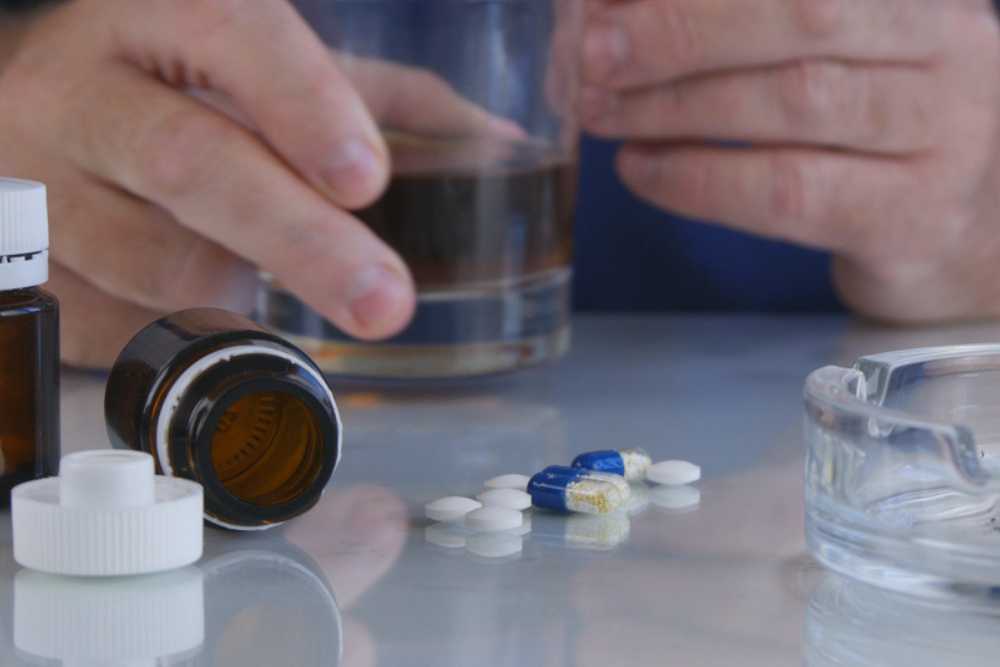
When considering the safety of mixing alcohol with antibiotics like amoxicillin, it’s important to know that alcohol doesn’t directly stop amoxicillin from killing bacteria. However, drinking can worsen side effects, slow your recovery, and increase the chance you’ll miss doses. If you’re asking can you drink alcohol with Amoxicillin, you’re likely fighting an infection and want to heal fast; choosing to stay alcohol-free until you’ve finished your medication helps your body do exactly that.
If alcohol use feels hard to pause, that’s important information too. Alcohol can mask symptoms, dehydrate you, and interfere with sleep, each of which makes infections harder to beat and can complicate mental health. If a loved one is concerned, share structure and support by reviewing our family alddiction intervention guide to plan a compassionate, evidence-based conversation. Protecting your health during antibiotics is a smart, short-term choice with long-term benefits.
Table of Contents
- Does Alcohol Make Amoxicillin Less Effective?
- Why Doctors Recommend Avoiding Alcohol During Antibiotics
- How Alcohol Affects Your Immune System While Fighting Infection
- What Our Customers Are Saying
- How Long Should You Wait to Drink After Taking Amoxicillin?
- Frequently Asked Questions About Alcohol and Amoxicillin Safety
- Key Takeaways on can you drink alcohol with Amoxicillin
- Resources
Does Alcohol Make Amoxicillin Less Effective?
Alcohol does not directly block amoxicillin from working, but it can still undermine your treatment. Drinking increases side effects like nausea, dizziness, and stomach upset, which makes it harder to take every dose as prescribed. When adherence slips, infections can linger or return. If you’re wondering can you drink alcohol with Amoxicillin, the safest move is pausing alcohol until you finish your course.
If you choose to drink anyway, keep it to a minimum, hydrate well, and avoid binge episodes. Take each antibiotic dose with food unless your prescriber says otherwise, and do not skip or double up. Call your clinician if you develop persistent vomiting, worsening rash, or severe diarrhea. For people who find stopping alcohol difficult, exploring alcohol addiction treatment can support both infection recovery and long-term health.
Clinical references note no significant pharmacokinetic interaction between amoxicillin and moderate alcohol use, yet they consistently report increased adverse effects and poorer adherence when people drink. Data from primary care settings also links alcohol-influenced missed doses with higher treatment failure. Put simply, antibiotics work best when taken exactly as prescribed. Staying alcohol-free helps you do that reliably.
Why Doctors Recommend Avoiding Alcohol During Antibiotics
Doctors aim for one thing: helping you recover quickly and safely. Alcohol can dehydrate you, disturb sleep, and worsen gastrointestinal irritation, which can intensify antibiotic side effects. It also impairs judgment, increasing the risk of timing errors or missed doses. That combination is a straightforward reason clinicians say to hold off on drinking.
Here are common medical reasons providers advise avoiding alcohol while on antibiotics:
- Higher risk of nausea, vomiting, and stomach pain
- Greater dizziness and sedation, especially with illness
- Worse sleep quality and slower symptom recovery
- Higher chance of missed or late antibiotic doses
- Added strain on the liver during illness
In recent clinical guidance, abstaining from alcohol while fighting infection is promoted as a simple, low-risk way to speed recovery. Even light drinking can reduce sleep efficiency, and poor sleep is linked to slower immune responses. If you need help building a sober plan during treatment, a nearby Riverside alcohol rehab center offers structured, short-term support close to Jurupa Valley. A brief pause on alcohol today can mean fewer symptoms and a faster return to feeling like yourself.
How Alcohol Affects Your Immune System While Fighting Infection
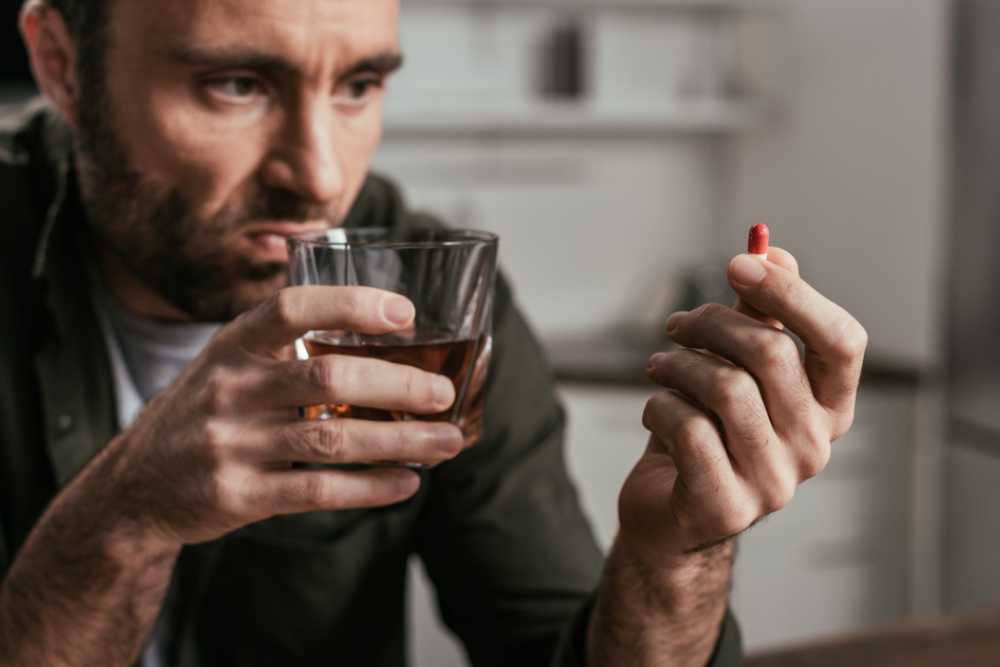
Think of your immune system as a coordinated team—it needs rest, fuel, and timing to win. Alcohol disrupts all three by dehydrating tissues, fragmenting sleep, and altering immune signaling chemicals. That disruption can make fevers feel worse and prolong fatigue, especially while the body is already taxed by infection. Even moderate drinking can temporarily blunt white blood cell activity.
Laboratory and clinical studies show alcohol can impair neutrophil function and natural killer cell activity within hours. Research also links alcohol-related sleep loss to higher inflammation markers and slower healing. These effects may not be dramatic in one sip, but they add up when you are ill. A few days of abstinence helps immune cells work at full strength.
If cravings surge during recovery, have a clear plan: choose alcohol-free alternatives, schedule early bedtimes, and lean on supportive routines. Consider the guided steps in these practical tips to wean off alcohol resource if you want to taper instead of stopping abruptly. Small, steady changes improve rest, hydration, and symptom control. Your body will use that margin to heal faster.
Addiction Treatment that
Just Works
Individualized treatment programs delivered in a comfortable, relaxed setting promote healing in your recovery journey.
What Our Customers Are Saying
How Long Should You Wait to Drink After Taking Amoxicillin?
A practical rule is to wait until you have finished your antibiotics and your symptoms have resolved for at least 48 to 72 hours. Amoxicillin’s half-life is about one hour in healthy adults, yet your gut and immune system may need several extra days to rebound. Give yourself enough time to feel fully back to baseline. If your infection was severe, extend that window.
Plan your reintroduction thoughtfully if you choose to drink again. Start with a small amount, hydrate between drinks, and avoid mixing with sedating medications. If you experienced significant stomach upset during antibiotics, consider waiting longer or skipping alcohol entirely. For those rebuilding structure after illness, exploring partial hospitalization benefits for addiction recovery can offer daytime support without pausing work or family roles.
Use this simple checklist before your first drink after antibiotics:
- No fever, chills, or worsening symptoms
- At least 48–72 hours since last dose
- Normal eating, hydration, and bowel movements
- No other alcohol-interacting medications in the facility
Following these steps reduces the risk of side effects, dehydration, and setbacks. If stopping alcohol feels overwhelming, that is a signal worth honoring. Asking for help is a strength, and it shortens the path back to health. It also prevents a cycle of illness and drinking that can keep you stuck.
Frequently Asked Questions About Alcohol and Amoxicillin Safety
Here are straightforward answers to common questions people ask about antibiotics, recovery, and alcohol:
-
Can I have one drink while on this antibiotic?
It’s safest to avoid alcohol until you finish your medication. Even one drink can worsen nausea, dizziness, or sleep quality during illness.
-
What side effects get worse if I drink?
Alcohol can intensify stomach upset, headaches, flushing, and fatigue. It can also heighten sedation and impair coordination while you are sick.
-
Does alcohol change how my body clears amoxicillin?
Moderate alcohol doesn’t meaningfully change amoxicillin levels in most healthy adults. The bigger risk is missed doses and slower recovery.
-
How long should I wait after the last dose?
Many clinicians suggest waiting 48 to 72 hours after finishing antibiotics. This gives your gut and immune system time to normalize.
-
What if I drank and now feel worse?
Hydrate, rest, and monitor symptoms; call your prescriber if vomiting, rash, or fever returns. Seek urgent care for severe reactions or breathing trouble.
-
How can I pause alcohol if cravings are strong?
Plan alcohol-free alternatives, supportive routines, and early bedtimes. Reach out to a clinician or counselor for short-term accountability.
Key Takeaways on Can You Drink Alcohol With Amoxicillin
- Alcohol doesn’t block amoxicillin, but it worsens side effects and adherence
- Staying alcohol-free supports sleep, hydration, and faster immune recovery
- Wait 48–72 hours after finishing antibiotics before considering a drink
- Use small, planned steps if reintroducing alcohol to reduce setbacks
- If pausing alcohol is hard, specialized support can make it easier
Your health comes first, and a short pause on alcohol helps your body heal well. Alcohol can wait; recovery cannot. Make choices that move you toward steadier energy, clearer thinking, and lasting wellness.
If you want compassionate guidance, contact Resurgence Behavioral Health for confidential support. Speak with a specialist today at 855-458-0050 to explore personalized options that fit your life and goals.
