What Percentage of People Recover From Cocaine Addiction?
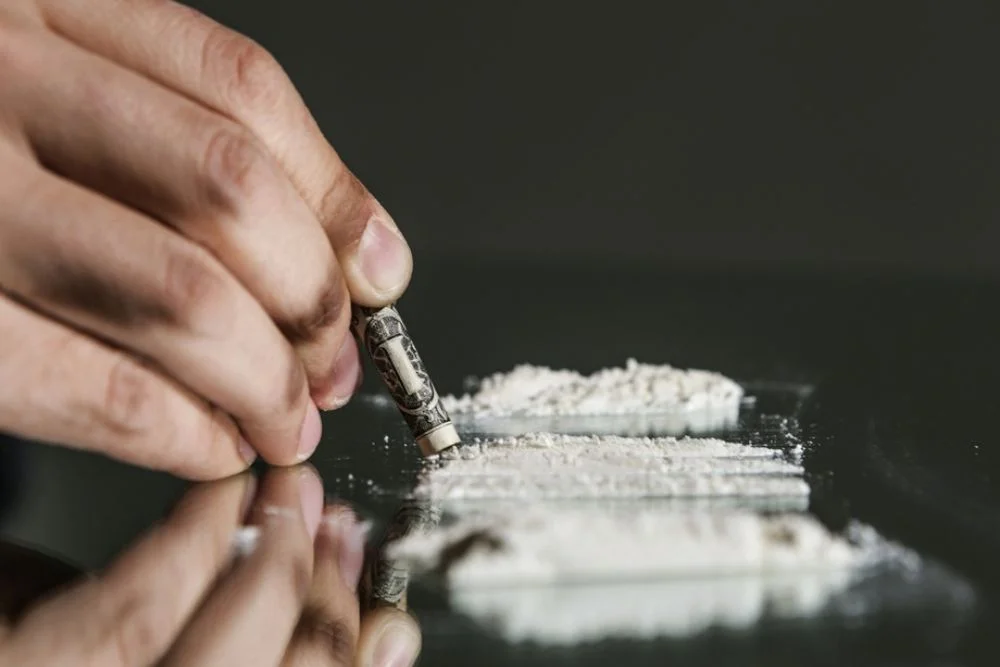
Roughly one in four people who develop a cocaine use disorder achieve long-term abstinence, according to research published by the National Institute on Drug Abuse. That number is sobering, but it is not the full picture. The cocaine addiction recovery rate improves substantially when people engage in evidence-based treatment, maintain ongoing support, and address co-occurring mental health conditions alongside their substance use.
Understanding what the data actually says can help people in crisis make informed decisions about getting help rather than feeling defeated before they even begin.
Cocaine use disorder is a chronic brain condition, not a failure of willpower. Repeated cocaine use restructures the brain’s reward circuitry, making it harder to experience pleasure naturally and far easier to relapse under stress or social triggers. The good news is that structured treatment, from medically supervised detox through residential and outpatient programming, consistently improves outcomes.
People who complete a full continuum of care are significantly more likely to sustain recovery than those who attempt to stop without professional support. Choosing treatment is one of the most important steps a person can take for their long-term health.
Table of Contents
- What Is the Basic Understanding of Cocaine Addiction?
- What Role Does Impulsivity Play in Cocaine Addiction?
- What Do Current Findings Show About Cocaine Impulsivity?
- What Our Customers Are Saying
- What Considerations Are Significant in Cocaine Addiction?
- What Does Cocaine Addiction Do to Personality?
- Frequently Asked Questions About Cocaine Addiction and Recovery
- Key Takeaways on cocaine addiction recovery rate
- Resources
What Is the Basic Understanding of Cocaine Addiction?
Cocaine is a powerful central nervous system stimulant that floods the brain with dopamine, the chemical messenger tied to pleasure and motivation. When cocaine is used repeatedly, the brain adapts by producing less dopamine on its own and reducing the sensitivity of its receptors.
This neurological shift means a person with cocaine use disorder often feels flat, anxious, or depressed when not using, which intensifies the urge to seek out the drug again. Research shows these brain changes can persist for months or even years after a person stops using cocaine.
Cocaine use disorder is classified by the American Psychiatric Association as a stimulant use disorder, defined by compulsive drug-seeking behavior despite harmful consequences. It differs from alcohol dependence in important ways, particularly in the absence of a physical withdrawal syndrome as severe as alcohol withdrawal, though the psychological pull can be just as intense.
Understanding the distinction between various forms of addiction is helpful; you can explore how alcohol and drug addiction differ to better understand what treatment approach may be needed. Early intervention consistently leads to better outcomes across all types of substance use disorders.
Studies estimate that adults between 18 and 25 years of age represent the largest demographic affected by cocaine use, making early education and accessible treatment critically important. Recognizing cocaine use disorder as a chronic medical condition removes the stigma that often keeps people from seeking care.
The most effective path forward always involves professional assessment, structured programming, and a personalized treatment plan built around each person’s unique circumstances and history.
What Role Does Impulsivity Play in Cocaine Addiction?
Impulsivity, defined as acting without fully considering consequences, is both a risk factor for developing cocaine use disorder and a symptom that worsens with continued use. Neuroimaging research shows that cocaine use reduces activity in the prefrontal cortex, the part of the brain responsible for decision-making and impulse control.
This creates a cycle where a person becomes less capable of resisting urges over time, even when they genuinely want to stop. Addressing impulsivity is therefore a central goal in effective cocaine treatment programs.
Cognitive behavioral therapy, commonly called CBT, is among the most evidence-based approaches for targeting impulsive thinking patterns in people with cocaine use disorder. CBT teaches individuals to identify high-risk situations, recognize automatic thought patterns, and build healthier coping responses before cravings escalate into use.
Research consistently finds that people who complete CBT as part of their treatment program are more likely to maintain abstinence at six-month and one-year follow-up points. When combined with contingency management, a reward-based approach that reinforces negative drug tests, outcomes improve further.
Impulsivity also increases risk for co-occurring conditions such as attention-deficit disorder, anxiety, and depression. These conditions can accelerate the development of cocaine dependence and complicate recovery if left unaddressed. A dual diagnosis approach, treating the substance use disorder and the mental health condition simultaneously, is the clinical standard for anyone who presents with overlapping concerns. Comprehensive evidence-based drug addiction treatment should always screen for and address these co-occurring diagnoses from the very beginning of care.

What Do Current Findings Show About Cocaine Impulsivity?
Current clinical findings confirm that impulsivity is not simply a personality trait but a measurable neurological characteristic that can be tracked and treated. Studies using brain imaging show that people with higher impulsivity scores before entering treatment tend to have shorter periods of abstinence and are more likely to relapse in the first 90 days. This evidence has pushed treatment providers to incorporate impulsivity screening into intake assessments and to tailor programming accordingly. The data reinforces the value of individualized treatment over generic, one-size-fits-all programming.
Recent research also highlights the connection between impulsivity, stress sensitivity, and cocaine craving. When a person with high impulsivity encounters stress, the brain’s threat response activates faster and with greater intensity, making drug use feel like the only available relief.
Mindfulness-based interventions, yoga, and physical exercise have all shown measurable benefits in reducing this stress reactivity. These findings explain why treatment programs that combine clinical therapy with structured physical activity tend to produce better long-term outcomes than those that rely on therapy alone.
For people considering residential treatment, understanding what to expect can reduce the anxiety that sometimes prevents someone from taking that first step. Reviewing a guide to residential rehab in California can help clarify what a structured treatment environment looks like day to day. The environment itself plays a meaningful role in recovery, since a calm, supportive setting directly counteracts the hypervigilance and chronic stress that fuel cocaine cravings during early recovery.
Addiction Treatment that
Just Works
Individualized treatment programs delivered in a comfortable, relaxed setting promote healing in your recovery journey.
What Our Customers Are Saying
What Considerations Are Significant in Cocaine Addiction?
Several factors consistently predict whether a person will achieve and maintain recovery from cocaine use disorder. Treatment length is one of the most important variables, with research showing that programs lasting 90 days or more produce significantly better outcomes than shorter stays.
Social support is equally critical, since people who return to environments where cocaine use is normalized face far higher relapse risk. The quality of aftercare planning, including what happens after residential treatment ends, determines much of the long-term success a person experiences.
Several key factors shape treatment outcomes and are worth understanding before choosing a program:
- Duration of treatment relative to severity of use
- Presence of co-occurring mental health conditions
- Quality and consistency of post-treatment aftercare
- Strength of sober social support systems
- Access to ongoing therapy or peer support groups
Each of these factors can be addressed through a personalized treatment plan, which is why individualized care matters far more than any single program feature.
The cocaine addiction recovery rate also varies depending on whether someone engages with outpatient support after completing residential care. Research consistently shows that continued outpatient participation cuts relapse rates measurably in the year following discharge. A thorough review of what drives rehab success rates reveals that sustained engagement, not just initial treatment, is the defining variable between short-term and lasting recovery.
What Does Cocaine Addiction Do to Personality?
Prolonged cocaine use produces measurable changes in personality and emotional regulation, many of which can persist into early recovery. People who have used cocaine heavily for an extended period often experience increased irritability, paranoia, emotional volatility, and difficulty trusting others. These changes are driven by shifts in brain chemistry, particularly in the dopaminergic and serotonergic systems that regulate mood and social behavior.
Recognizing these shifts as neurological rather than moral failures is essential for building compassion in both the person in recovery and their support network.
Paranoia is one of the most clinically significant personality-adjacent effects of heavy cocaine use. Some individuals develop cocaine-induced psychosis, a state in which they experience delusions or hallucinations that can persist for days or weeks even after stopping use. This condition requires clinical management and is a key reason why medically supervised detox is strongly recommended rather than stopping cocaine use abruptly without support. Safe detox within an inpatient setting allows clinical staff to monitor and manage these symptoms effectively.
Personality changes associated with cocaine use disorder are largely reversible with sustained abstinence and appropriate therapy. Over time, as dopamine systems begin to normalize, many people in recovery report significant improvements in emotional stability, empathy, and social connection.
Inpatient treatment in California provides structured time away from triggers while the brain begins this healing process. For a deeper look at what residential care involves, reviewing a resource on inpatient substance abuse treatment in California can clarify how that environment supports neurological and emotional recovery.
Frequently Asked Questions About Cocaine Addiction and Recovery
Here are some of the most common questions people ask when researching recovery from cocaine use disorder:
-
What percentage of people recover from cocaine use disorder?
Studies suggest that roughly 25% of people with cocaine use disorder achieve long-term abstinence, though outcomes improve significantly with structured treatment and aftercare. Engaging in a full continuum of care, from detox through outpatient support, is one of the strongest predictors of lasting recovery.
-
What is the relapse rate for people recovering from cocaine use?
Research indicates that approximately 24% of people who complete treatment for cocaine use disorder relapse to weekly use within the first year. Relapse is widely recognized as a common part of the recovery process, not a sign that treatment has failed.
-
How long does cocaine rehab typically take?
Most clinical guidelines recommend a minimum of 90 days of structured treatment for moderate to severe cocaine use disorder. Programs lasting longer consistently show better outcomes, particularly when followed by ongoing outpatient or peer support participation.
-
What treatments are most effective for cocaine use disorder?
Cognitive behavioral therapy and contingency management are the most evidence-supported approaches for treating cocaine use disorder, with strong clinical data backing both methods. There is currently no FDA-approved medication specifically for cocaine use disorder, so behavioral therapies remain the cornerstone of effective care.
-
Which substance use disorders have the lowest recovery rates?
Opioid use disorders involving fentanyl and heroin, along with methamphetamine dependence, generally show the lowest one-year recovery rates, with some studies reporting only 29% to 31% of patients remaining abstinent. Cocaine use disorder falls in a similar range, underscoring the importance of sustained, professional treatment rather than attempting to recover alone.
-
Does treating co-occurring mental health conditions improve recovery from cocaine use disorder?
Treating co-occurring conditions like depression or anxiety alongside cocaine use disorder substantially improves long-term outcomes compared to treating substance use in isolation. Dual diagnosis care, which addresses both concerns simultaneously, is now considered the clinical standard in evidence-based addiction treatment programs.
Key Takeaways on Cocaine Addiction Recovery Rate
- Approximately 25% of people with cocaine use disorder achieve sustained long-term abstinence, with rates rising sharply for those who complete structured treatment
- Impulsivity is both a risk factor and a treatable symptom, addressed most effectively through cognitive behavioral therapy and contingency management
- Co-occurring mental health conditions must be treated simultaneously with cocaine use disorder to achieve lasting recovery outcomes
- Treatment duration matters significantly, with programs of 90 days or more producing measurably better results than shorter interventions
- Aftercare planning and ongoing peer or outpatient support are among the strongest predictors of sustained recovery after residential treatment
Recovery from cocaine use disorder is a realistic goal when a person receives the right level of care at the right time. Evidence consistently shows that comprehensive, individualized treatment produces meaningful improvements in quality of life, physical health, and long-term sobriety.
If you or someone you care about is navigating cocaine use disorder, Resurgence Behavioral Health offers a full continuum of care, from medical detox through inpatient and outpatient programming, at our Jurupa Valley facility. Our clinical team specializes in personalized treatment that aids your cocaine addiction recovery rate and addresses substance use and mental health together for the most comprehensive path forward. Reach out today by calling 855-458-0050 to speak with an admissions specialist who can walk you through your options with no pressure and no judgment.
