How Quickly Do Alcohol Detox Symptoms Begin?
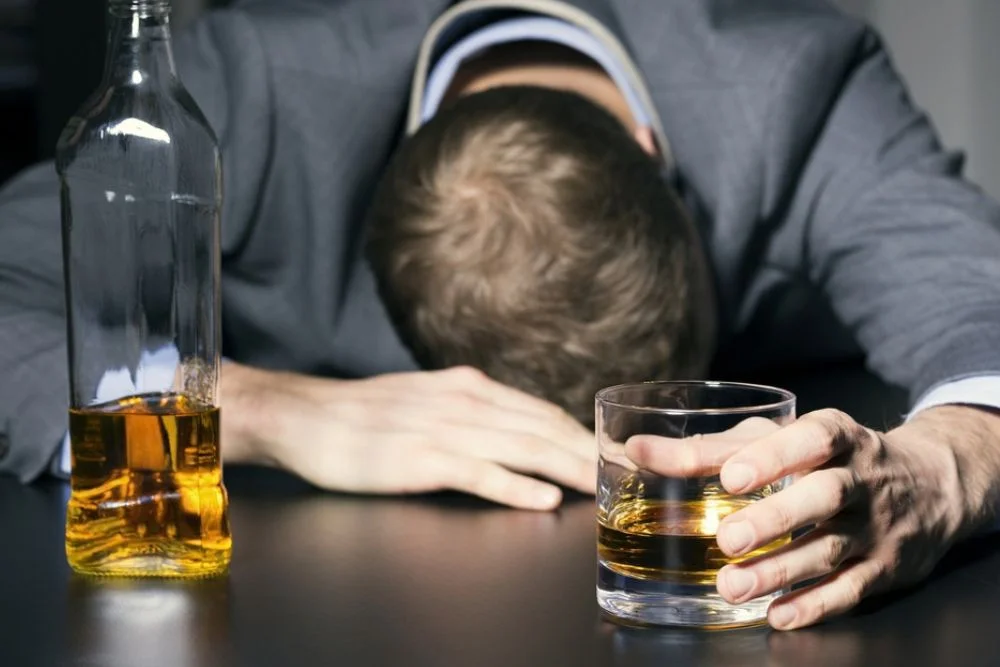
Alcohol withdrawal is a medically significant process that affects the body in predictable, measurable stages. Understanding the alcohol withdrawal timeline hour by hour gives individuals and their families a clearer picture of what to expect, when symptoms typically peak, and why professional medical care can be the difference between a safe detox and a life-threatening crisis.
The nervous system, long suppressed by chronic alcohol use, begins rebounding the moment drinking stops, and that rebound can be intense.
Research confirms that withdrawal symptoms can appear as early as six hours after the last drink and may escalate sharply over the following 48 to 72 hours. Knowing the specific stages of withdrawal helps people make informed decisions about seeking care before symptoms become dangerous. A medically supervised detox removes the guesswork and replaces it with evidence-based protocols designed to keep the body stable through every phase of the process.
Table of Contents
- Why Does Alcohol Withdrawal Happen?
- Hours 6 to 12: When Does Early Alcohol Withdrawal Begin?
- Hours 12 to 24: How Do Symptoms Intensify?
- What Our Customers Are Saying
- Hours 48 to 72: What Are the Risks of Delirium Tremens?
- What Is the Medical Alcohol Detox Timeline at Resurgence Behavioral Health?
- Frequently Asked Questions About Alcohol Withdrawal Stages and Timing
- Key Takeaways on alcohol withdrawal timeline hour by hour
- Resources
Why Does Alcohol Withdrawal Happen?
Chronic alcohol use fundamentally rewires the brain’s chemical balance. Alcohol is a central nervous system depressant, meaning it slows down neural activity by enhancing the calming effects of a neurotransmitter called GABA (gamma-aminobutyric acid) while suppressing glutamate, the brain’s primary excitatory chemical. Over time, the brain compensates by producing more glutamate and becoming less sensitive to GABA, essentially turning up its own activity level to maintain equilibrium.
When alcohol is removed suddenly, the brain’s heightened excitatory state is no longer counterbalanced. The result is a neurological storm: the nervous system fires too fast and too hard, producing the physical and psychological symptoms associated with withdrawal.
This is why withdrawal is not simply about discomfort. It is a genuine physiological crisis that can escalate rapidly without intervention. Research shows that people with a history of multiple detox episodes may experience increasingly severe withdrawal, a phenomenon known as kindling.
Understanding this mechanism matters because it explains why willpower alone cannot safely manage withdrawal from alcohol. The body’s chemistry has been structurally altered, and it needs time and often pharmacological support to restabilize. If you want a deeper look at what drives this process, this overview of alcohol withdrawal duration breaks it down further.
Hours 6 to 12: When Does Early Alcohol Withdrawal Begin?
The first signs of withdrawal typically emerge within six to twelve hours after the last drink, even while blood alcohol levels may still be measurable. This early phase surprises many people because symptoms can begin before someone feels fully sober. The brain’s excitatory rebound begins almost immediately, triggering a cluster of recognizable physical responses that signal the body is entering withdrawal.
Common early symptoms during this window include anxiety, restlessness, mild tremors in the hands, elevated heart rate, sweating, and headache. Nausea is also frequent, which can make it difficult to keep food or fluids down. Clinical data indicates that roughly 50 percent of people who drink heavily will experience at least mild withdrawal symptoms after stopping, making this phase far more common than many realize.
Early-stage withdrawal is deceptively manageable in appearance, but this is exactly when medical assessment matters most. Clinicians use validated tools like the CIWA-Ar scale (Clinical Institute Withdrawal Assessment for Alcohol) to score symptom severity and anticipate escalation. Reviewing this alcohol detox symptoms and what to expect resource can help you identify whether your symptoms fall within a manageable range or warrant immediate care.

Hours 12 to 24: How Do Symptoms Intensify?
Alcohol withdrawal timeline hour by hour: between 12 and 24 hours after the last drink, symptoms typically become more pronounced. Tremors that started as mild hand shaking can intensify into full-body shaking. Blood pressure and heart rate climb further, and many people experience heightened anxiety that can border on panic. Insomnia sets in, and the brain’s stress response continues amplifying.
This is also the window when approximately 10 percent of people in withdrawal may begin experiencing alcoholic hallucinosis, a state where the person hears, sees, or feels things that are not there while remaining otherwise alert and oriented.
Alcoholic hallucinosis is distinct from delirium tremens because the person is not confused, but it still signals that the nervous system is under serious strain. Seizures can occur during this phase as well, particularly in people with a long history of heavy daily drinking or prior withdrawal episodes.
The risk of seizure during this window is one of the clearest arguments for medically supervised detox rather than attempting to stop drinking at home. Benzodiazepine medications, prescribed and monitored by a physician, significantly reduce seizure risk and ease the severity of other symptoms.
For a detailed look at this specific risk, this guide on managing tremors during withdrawal offers practical clinical context. Staying in a structured setting during this phase allows for rapid response if symptoms shift suddenly.
Addiction Treatment that
Just Works
Individualized treatment programs delivered in a comfortable, relaxed setting promote healing in your recovery journey.
What Our Customers Are Saying
Hours 48 to 72: What Are the Risks of Delirium Tremens?
The 48 to 72 hour mark is considered the most dangerous phase of alcohol withdrawal. This is when delirium tremens (DTs), a severe withdrawal syndrome involving profound confusion, agitation, fever, rapid heart rate, and seizures, is most likely to develop. DTs affect roughly 3 to 5 percent of people going through withdrawal, but for those who experience it without medical intervention, the condition can be fatal. Historical mortality rates from untreated DTs have been recorded as high as 37 percent.
DTs represent a full-system medical emergency. The brain loses its ability to regulate basic autonomic functions, including temperature control and cardiovascular stability. Hallucinations during DTs differ from alcoholic hallucinosis because the person is severely disoriented and cannot distinguish between their internal experience and reality.
This is why anyone with a significant history of heavy alcohol use should never attempt to detox unsupervised. This article on the lethal risks of alcohol withdrawal details why DTs require immediate emergency care.
Several factors increase the likelihood of experiencing severe withdrawal, including daily heavy drinking over months or years, a prior history of DTs or withdrawal seizures, older age, and the presence of co-occurring medical conditions. Knowing these risk factors before stopping alcohol use is critical. Medical teams can use this information to assign appropriate levels of monitoring and medication before the first symptom even appears.
What Is the Medical Alcohol Detox Timeline at Resurgence Behavioral Health?
At Resurgence Behavioral Health, medical detox is structured around the same evidence-based phases outlined above, with clinical oversight built into every stage. The facility in Jurupa Valley provides 24/7 medical monitoring from the moment a patient arrives, ensuring that symptoms are assessed, tracked, and treated before they have the opportunity to escalate. The program uses FDA-approved medications, including benzodiazepines, to reduce the risk of seizures and ease the physical distress of withdrawal.
The alcohol withdrawal timeline at Resurgence typically spans five to seven days for the acute phase, consistent with clinical guidelines. During this period, patients are evaluated daily by medical staff, with medication tapered as symptoms stabilize. Nutritional support, hydration, and rest are integrated into each day because the body’s recovery from alcohol dependence extends well beyond the nervous system. Vital signs are monitored regularly to catch any cardiovascular fluctuations early.
Beyond the physical stabilization phase, Resurgence’s detox program connects patients directly to the next level of care, whether that is residential treatment, outpatient programming, or both. The transition is intentional: detox addresses the body, and ongoing treatment addresses the behavioral and psychological roots of alcohol use disorder.
For a closer look at this region’s detox services, this resource on alcohol detox and stabilization in Riverside provides detailed information about the local care continuum. Amenities like weekly massages, gym access, and structured weekend activities also support whole-person healing throughout the stay.
Frequently Asked Questions About Alcohol Withdrawal Stages and Timing
Here are some of the most common questions people ask about the withdrawal process, symptoms, and what to expect during detox:
-
When do alcohol withdrawal symptoms typically start after the last drink?
Withdrawal symptoms generally begin within six to twelve hours after the last drink, even while some alcohol may still be in the bloodstream. The timing depends on how much a person was drinking and for how long, but early symptoms like anxiety, tremors, and sweating are often the first indicators.
-
Will I be sober and symptom-free within 10 to 12 hours of stopping?
Not necessarily. While the body processes approximately 0.015 percent blood alcohol concentration per hour, withdrawal symptoms can actually intensify as alcohol clears the system rather than resolving. Time is the only true way to process alcohol, but withdrawal itself may peak well after the body is technically sober.
-
How long does alcohol withdrawal typically last from start to finish?
The acute withdrawal phase generally spans five to seven days, with symptoms beginning within hours of the last drink, peaking between 24 and 72 hours, and gradually resolving by the end of the first week. Some individuals experience post-acute withdrawal symptoms, including mood instability and sleep disruption, for several weeks beyond that.
-
What is delirium tremens and how quickly can it develop?
Delirium tremens is a severe form of alcohol withdrawal characterized by confusion, hallucinations, fever, and potentially life-threatening cardiovascular instability. It most commonly develops between 48 and 72 hours after the last drink and requires immediate medical intervention.
-
Can you reverse serious health damage from years of heavy drinking?
The liver has a remarkable capacity to regenerate, and research suggests that some alcohol-related liver damage can be reversed with sustained abstinence. However, the extent of recovery depends on the severity of damage, and complete abstinence remains the only proven path to giving the liver a chance to heal.
-
Why do people who drink heavily often wake up in the early morning hours?
Alcohol’s sedative effects wear off during the night, triggering a rebound in the nervous system that includes a surge of excitatory activity and stress hormones. This disruption to sleep architecture causes many people to wake abruptly, often around three or four in the morning, and struggle to fall back asleep.
Key Takeaways on Alcohol Withdrawal Timeline Hour by Hour
- Withdrawal symptoms can begin within six hours of the last drink, driven by the brain’s excitatory rebound after losing alcohol’s suppressing effect
- The 24 to 72 hour window carries the highest risk of seizures and delirium tremens, both of which can be life-threatening without medical care
- Symptoms like tremors, elevated heart rate, anxiety, and hallucinations follow a predictable progression that clinical teams are trained to monitor and manage
- Medical detox using FDA-approved medications significantly reduces the risk of severe complications, including seizures and cardiovascular instability
- Completing detox is the essential first step, and connecting to ongoing treatment immediately after stabilization dramatically improves long-term recovery outcomes
Alcohol withdrawal is a biological process that demands respect and medical attention. The nervous system’s rebound after prolonged dependence does not follow a gentle curve. It follows a steep and sometimes dangerous one.
If you or someone you care about is considering stopping alcohol use after a period of heavy drinking and are looking at an alcohol withdrawal timeline hour by hour, please do not attempt to navigate this alone. Reach out to Resurgence Behavioral Health to speak with a clinical team that understands the medical and emotional complexity of alcohol withdrawal.
You can also call 855-458-0050 any time to get a personalized assessment and learn about medically supervised detox options in Jurupa Valley, California. Safe, effective support is available, and getting started with a medical team changes the outcome significantly.
