What Do Tranq Wounds Look Like?
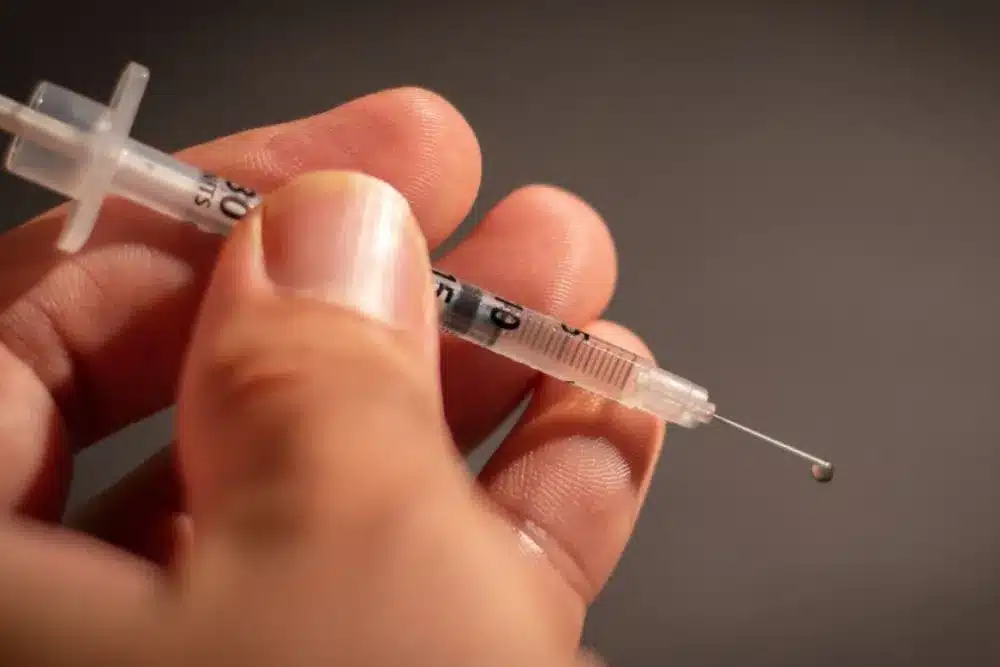
Xylazine, a powerful veterinary sedative now commonly known as “tranq,” has become one of the most dangerous adulterants found in the illicit drug supply across the United States. When xylazine enters the human body, it causes severe skin damage that sets it apart from nearly every other substance in circulation.
Unlike the visible marks left by repeated injection, tranq wounds develop even in areas of the body that were never directly injected, making them a distinctive and alarming sign of xylazine exposure. Recognizing what these wounds look like can be lifesaving for the person using the drug, their loved ones, and the healthcare workers who treat them.
Xylazine is not an opioid, which means naloxone does not reverse its effects, and standard overdose protocols must be adjusted when xylazine is present. Research suggests the wounds it causes progress rapidly, moving from discolored patches to deep, open ulcers that can penetrate muscle and bone if left untreated.
Understanding the biology behind these injuries gives people the clearest possible picture of what to watch for and why prompt medical attention is essential. The earlier someone receives wound care and addiction support, the better the chances of healing and preventing complications that can permanently affect quality of life.
Table of Contents
- What Causes Tranq (Xylazine) Wounds?
- What Do Tranq Wounds Look Like on the Skin?
- Can Tranq Wounds Lead to Infection or Amputation?
- What Our Customers Are Saying
- When Should You Seek Treatment for Tranq Use?
- Frequently Asked Questions About Xylazine Skin Wounds and Healing
- Key Takeaways on Tranq Wounds
- Resources
What Causes Tranq (Xylazine) Wounds?
Xylazine causes skin damage through a specific biological mechanism that researchers have been studying urgently since its spread into the human drug supply. The drug works as an alpha-2 adrenergic agonist, which means it constricts blood vessels and dramatically reduces blood flow to surrounding tissue causing tranq wounds.
When circulation is cut off, skin and underlying tissue begin to die in a process called necrosis, even in areas of the body that never had direct contact with a needle. This vascular disruption is what makes xylazine-related skin damage so uniquely destructive compared to other injection-related injuries.
Studies show that xylazine is now detected in a significant and growing percentage of the illicit opioid supply, particularly in fentanyl samples, which means many people may be exposed without knowing it. The body responds to xylazine’s presence by triggering widespread vasoconstriction, starving skin cells of the oxygen they need to survive.
Tissue that would normally recover from minor trauma breaks down instead, beginning a wound cycle that is very difficult to stop without proper medical care. For context on how other substances cause visible physical harm, the physical effects of meth-related skin damage follow a similarly destructive pattern driven by reduced blood flow and immune compromise.
Beyond the vascular effects, xylazine also suppresses the immune system’s ability to fight bacteria at the wound site. This immunosuppression means infections establish themselves quickly and aggressively once the skin barrier breaks down. Prolonged sedation caused by the drug also keeps people immobile for extended periods, which further restricts circulation and allows pressure-related tissue damage to compound the wound. These combined mechanisms explain why xylazine skin injuries escalate faster than typical drug-related wounds.
What Do Tranq Wounds Look Like on the Skin?
Clinicians who treat xylazine-related injuries describe a consistent and troubling visual pattern that progresses through identifiable stages. In the earliest stage, the skin appears darkened, bruised, or discolored, often with a purplish or grayish tint that signals poor blood supply to the area. This discoloration can appear anywhere on the body, including the arms, legs, chest, and face, not just at injection sites. Many people initially mistake this phase for a standard bruise, which delays them from seeking care during the window when intervention is most effective.
As the wound progresses, the skin surface begins to break down, forming open ulcers with well-defined, often irregular borders. These ulcers have a distinctive appearance: a dark or blackened center of dead tissue, called eschar, surrounded by swollen, inflamed skin that may weep fluid. The depth of these wounds is often far greater than their surface appearance suggests, extending through layers of skin, fat, and sometimes into muscle.
Unlike typical abscesses caused by bacterial infections alone, xylazine-related ulcers are driven primarily by tissue death rather than pus accumulation. For a comparison with another substance known to cause visible physical deterioration, this overview of meth-related jaw damage illustrates how drug-driven tissue destruction can extend far beyond the initial exposure site.
The pain associated with these wounds is often severe and disproportionate to their outward size. Because the nerve endings in deeply necrotic tissue may be compromised, some individuals experience a confusing combination of intense burning and areas of numbness within the same wound.
Medical providers report that wound odor, significant drainage, and surrounding warmth are all common findings that point toward secondary bacterial infection layered on top of the primary necrotic injury. Recognizing these visual and sensory signs early is critical to preventing the wound from reaching its most dangerous stage.
Can Tranq Wounds Lead to Infection or Amputation?
Xylazine skin injuries carry a genuinely serious risk of life-threatening infection and, in the most advanced cases, the need for surgical amputation. Because the wounds are deep and often contaminated with bacteria from the skin’s surface and the injection environment, infections spread rapidly into surrounding tissue.
Clinical data indicates that the bacteria most commonly found in these wounds, including Staphylococcus aureus and various gram-negative organisms, can progress to necrotizing fasciitis, an aggressive infection that destroys the soft tissue surrounding muscles and organs. Early wound care by trained medical professionals is not optional for these injuries; it is genuinely urgent.
When infections are left untreated or when individuals cannot access consistent wound care, the tissue loss expands. Surgeons treating patients with advanced xylazine injuries have documented the need for repeated debridement, the removal of dead tissue, and in some cases full amputation of limbs to stop the spread of infection and save the patient’s life. This outcome is not inevitable, but it becomes significantly more likely the longer a person goes without medical attention.
Understanding the full range of harm substances can cause reinforces why comprehensive, evidence-based drug treatment matters, and you can review this California naloxone access and overdose prevention guide for critical harm reduction context.
Healing from xylazine-related skin damage typically requires specialized wound care that goes well beyond standard first aid. Treatment teams use a combination of debridement, antibiotic therapy, and wound dressings designed to promote tissue regeneration while keeping infection controlled.
Some patients benefit from advanced wound therapies including negative pressure wound therapy, which uses gentle suction to accelerate healing in deep ulcers. Sustained recovery from these injuries almost always depends on simultaneously addressing the underlying substance use, since continued xylazine exposure will undo any wound care progress.
Addiction Treatment that
Just Works
Individualized treatment programs delivered in a comfortable, relaxed setting promote healing in your recovery journey.
What Our Customers Are Saying
When Should You Seek Treatment for Tranq Use?
Any visible skin change following xylazine exposure is a signal to seek medical evaluation immediately, not after the wound worsens. Waiting even a few days can mean the difference between a wound that responds well to outpatient care and one that requires hospitalization or surgery.
Clinicians emphasize that people should not delay care out of fear of judgment; hospital wound teams and addiction medicine specialists are trained to treat these injuries compassionately and without stigma. The physical signs that most clearly indicate urgent care is needed include the following warning indicators.
- Dark purple or gray skin discoloration appearing at or away from injection sites
- Open ulcers with blackened, hardened, or sunken centers
- Foul-smelling discharge or rapidly expanding redness around a wound
- Fever, chills, or swelling that extends beyond the visible wound border
- Areas of numbness surrounded by intense pain within the same wound
Beyond emergency wound care, the right moment to pursue addiction treatment is as soon as the person is medically stable enough to engage with it. Research supports integrated care models that address wound healing and substance use treatment simultaneously, since treating one without the other rarely leads to lasting improvement.
At a comprehensive addiction treatment program, clinicians can coordinate medical care, medication-assisted treatment, and behavioral therapy in a structured setting. If you or someone you care about is struggling with opioid or polysubstance use, exploring evidence-based drug addiction treatment is a meaningful next step.
People in recovery from xylazine and opioid use often need longer-term wound management that extends well into their treatment period. Inpatient residential care provides an environment where wounds can be monitored daily, dressings changed on schedule, and any signs of infection caught before they escalate.
Resurgence Behavioral Health’s program in Jurupa Valley offers exactly this kind of integrated support, combining clinical addiction care with the comfort and structure that promotes genuine healing. For individuals in Southern California, learning about residential addiction care in Riverside County can open the door to that kind of comprehensive recovery.
Frequently Asked Questions About Xylazine Skin Wounds and Healing
People searching for information about xylazine-related skin damage often have specific, urgent questions, so here are clear answers to the most common ones:
-
Can xylazine skin ulcers appear on parts of the body where no injection occurred?
Xylazine causes skin damage through systemic blood vessel constriction, meaning ulcers can develop far from any injection site on the arms, legs, torso, or face. This distinguishes xylazine-related skin injuries from typical injection-site abscesses caused by bacteria alone.
-
How quickly do xylazine-related skin ulcers progress?
Skin damage linked to xylazine can move from mild discoloration to deep, open ulcers within days to weeks, depending on frequency of use and access to wound care. Early treatment dramatically slows progression and reduces the risk of infection spreading to deeper tissue layers.
-
Does naloxone treat xylazine skin wounds or reverse xylazine’s sedative effects?
Naloxone does not reverse xylazine because xylazine is not an opioid, and it has no effect on the skin damage xylazine causes. However, naloxone should still be administered when fentanyl is suspected alongside xylazine, since the two are frequently combined in the illicit drug supply.
-
What does the blackened center of a xylazine ulcer mean?
The dark or blackened tissue at the center of a xylazine ulcer is called eschar, which is dead skin and tissue that has lost its blood supply and died. Medical providers typically remove eschar through a process called debridement to allow healthy tissue to grow and reduce infection risk.
-
Are xylazine-related wounds treatable without amputation?
Many xylazine-related wounds heal successfully with prompt, consistent medical wound care, including debridement, antibiotics, and advanced wound dressings. Amputation becomes necessary only in severe cases where infection has spread extensively, or tissue loss is too great to preserve limb function.
-
What type of treatment program helps people stop using xylazine-contaminated drugs?
A residential or inpatient addiction treatment program that offers medically supervised detox, medication-assisted treatment for opioid use disorder, and integrated wound care provides the most comprehensive support for people exposed to xylazine. Behavioral therapy alongside physical health management addresses both the substance use and its medical consequences at the same time.
Key Takeaways on Tranq Wounds
- Xylazine constricts blood vessels throughout the body, causing tissue death that produces wounds at and far from injection sites
- Xylazine skin ulcers appear as darkened, discolored patches that progress to deep open sores with blackened, necrotic centers
- Without medical intervention, these injuries can lead to severe bacterial infections, necrotizing fasciitis, and, in some cases, limb amputation
- Naloxone does not reverse xylazine’s effects, making wound recognition and medical care the most critical immediate responses
- Integrated treatment that combines wound care with evidence-based addiction support offers the strongest path to physical and lasting recovery
Xylazine-related skin damage is one of the most visible and urgent warning signs that someone needs immediate medical and addiction care. The wounds themselves are treatable when caught early, and the substance use driving them responds well to compassionate, evidence-based treatment.
If you or someone you love is showing signs of tranq wounds or is struggling with opioid or polysubstance use, please do not wait for the situation to worsen. Reach out to Resurgence Behavioral Health or call 855-458-0050 today to speak with a caring treatment specialist. Clinicians are available to guide you through every step, from initial assessment to long-term recovery planning, in a setting designed for real healing.
