Alcoholic Syndrome Face: What Alcohol Is Doing to Your Appearance
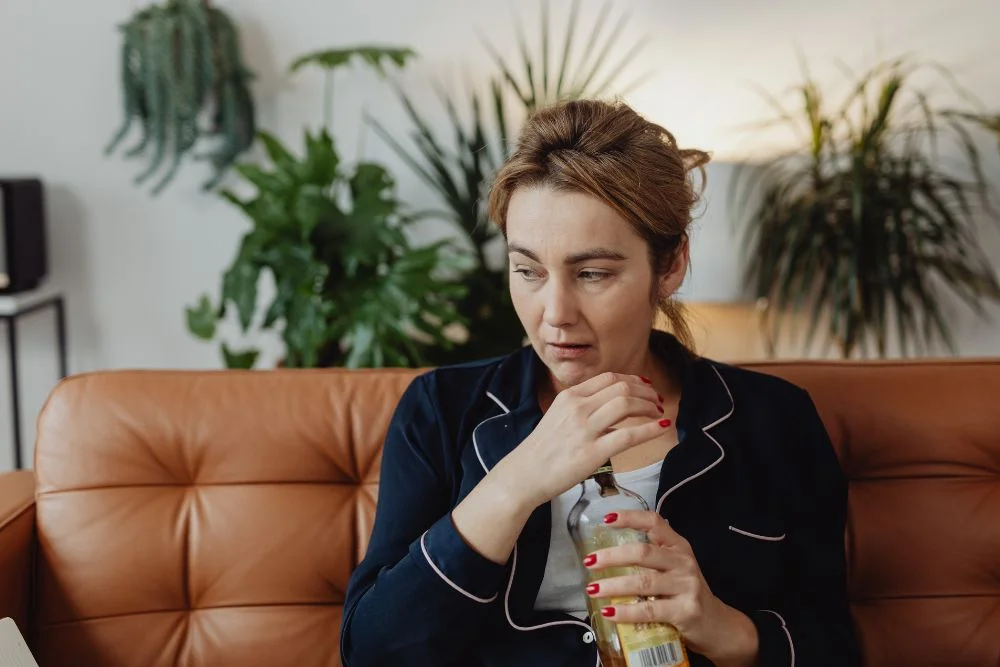
Visible changes in the face can be one of the clearest signals that alcohol is affecting whole-body health. When skin looks persistently flushed, puffy, or tired, those patterns often reflect inflammation, dehydration, nutrient loss, and hormone shifts tied to regular drinking, a cluster sometimes labeled alcoholic syndrome face.
Understanding the science behind facial changes can help you make informed choices and seek care sooner. For a deeper health context, review this evidence-based health effects of alcohol overview that explains how drinking impacts organs, skin, and sleep. Effective treatment addresses both alcohol use and its physical fallout through medical detox, therapy, nutrition, and ongoing support. When you act early, you give your skin, body, and brain the best chance to heal.
Table of Contents
- What Is Alcoholic Syndrome Face and Why Does It Happen?
- What Are the Most Common Physical Signs of Alcoholic Syndrome Face?
- Can the Physical Effects of Alcoholic Syndrome Face Be Reversed?
- What Our Customers Are Saying
- How Can Alcohol Addiction Treatment Help You Restore Your Health?
- Frequently Asked Questions About Alcohol-Related Facial Changes
- Key Takeaways on Alcoholic Syndrome Face
- Resources
What Is Alcoholic Syndrome Face and Why Does It Happen?
Facial flushing, puffiness, and visible capillaries often trace back to alcohol’s effects on blood vessels, hormones, and skin repair. Many people use the term “alcoholic syndrome face” to describe this recognizable pattern of redness, swelling, and dull texture. Alcohol triggers vasodilation, the widening of small vessels, which can cause persistent redness and new broken capillaries. It also disrupts sleep and elevates stress hormones that slow collagen renewal.
Improvement starts with identifying the drinking pattern behind the changes and creating a plan to pause use. A practical next step is reviewing the medical long-term side effects of alcohol abuse, since they often show up on the skin early. Basic steps help quickly: hydrate, prioritize protein and colorful produce, and add gentle skincare while inflammation calms. If you notice worsening redness or painful swelling, schedule a medical evaluation to rule out conditions like rosacea or liver disease.
Public health guidance defines binge patterns as about 4 or more drinks for women or 5 or more for men in a short time. That level of intake can amplify flushing and next-day puffiness through dehydration and rebound vasodilation. Keeping intake below risky thresholds reduces triggers that cause facial symptoms to cycle.
What Are the Most Common Physical Signs of Alcoholic Syndrome Face?
Skin sends early, visible signals when alcohol use escalates. Features people report include morning facial swelling, lingering red cheeks, and tiny facial veins around the nose and cheeks. Over time, repetitive inflammation can leave a rough texture and uneven tone. Sun exposure, spicy foods, and heat often intensify these changes after drinking.
Here are common signs clinicians look for during an assessment:
- Persistent cheek and nose flushing
- Periorbital puffiness and morning swelling
- Visible facial telangiectasias or “broken” capillaries
- Dry, dull skin with rough texture
- Frequent facial breakouts or irritation
These indicators do not prove an alcohol problem by themselves, but clusters of them raise concern and warrant a closer look. For a broader context on body-wide harm, skim this research-grounded overview on the long-term effects of alcohol abuse and consider how skin reflects internal stress. Low-risk benchmarks are commonly set at up to 1 drink per day for women and up to 2 for men, which reduces triggers for facial flushing in many people. If symptoms persist even at low intake, discuss workup for skin conditions with your clinician.

Can the Physical Effects of Alcoholic Syndrome Face Be Reversed?
Many facial changes improve with abstinence, time, and targeted care. Redness often settles within weeks as vasodilation calms, while capillaries may fade more slowly or need dermatologic lasers. Puffiness typically eases as hydration and sleep stabilize. Texture and tone recover as collagen turnover restarts and inflammation subsides.
Plan a simple reset: pause alcohol, sleep on a consistent schedule, focus on lean protein, omega-3s, and vitamin C, and use fragrance-free skincare and sunscreen. Dermatology can address visible veins, while primary care monitors blood pressure, liver markers, and nutrition labs. For perspective on future risk, review the medical summary of binge drinking risks, since cycling on and off alcohol can restart facial inflammation quickly. Think of skin like a slow-growing garden that thrives once the soil is restored.
Skin renewal follows a predictable rhythm, and dermatology sources note that turnover typically occurs about every four weeks in adults. That timeline explains why facial texture and brightness often improve gradually across the first 1 to 3 months without alcohol. Patience, consistent habits, and professional guidance create the conditions for visible recovery.
Addiction Treatment that
Just Works
Individualized treatment programs delivered in a comfortable, relaxed setting promote healing in your recovery journey.
What Our Customers Are Saying
How Can Alcohol Addiction Treatment Help You Restore Your Health?
Comprehensive care repairs more than drinking patterns; it rebuilds health foundations that show up on your face. In Jurupa Valley, residential treatment offers structured days with medical support, nutrition, therapy, and rest in a calm environment. Amenities such as an on-site gym, access to weekly massages, outdoor activities, and supportive community routines help reduce inflammation and stress. Many people notice improved sleep and a brighter complexion as the body stabilizes.
Treatment plans usually include several coordinated elements that speed whole-body recovery:
- Medically supervised detox with comfort-focused care
- Evidence-based therapy such as CBT and DBT
- Dual diagnosis support for anxiety, trauma, or depression
- Nutrition, fitness, and sleep coaching
- Aftercare planning and relapse prevention skills
Medication options like naltrexone or acamprosate can reduce cravings and support sustained change, and research shows outcomes improve when medications join counseling. Residential programs often span 30 to 60 days, followed by step-down outpatient care for continuity. For a snapshot of broader medical risks that treatment addresses, see this concise resource on alcohol health risks. Structured support accelerates healing and gives you tools to protect your progress long after discharge.
Frequently Asked Questions About Alcohol-Related Facial Changes
Here are clear answers to common questions people ask about facial changes and alcohol:
-
How quickly can facial redness improve after stopping alcohol?
Redness tied to vasodilation often eases within a few weeks. Texture and capillary changes may take several months or require dermatology.
-
What medical issues should be ruled out if my face stays swollen?
Ask a clinician to evaluate for thyroid disease, kidney problems, allergies, and liver issues. A basic exam with labs can guide the next steps.
-
Which treatments help reduce visible facial veins from drinking?
Dermatologists often use vascular lasers or intense pulsed light to shrink vessels. Consistent sun protection helps prevent new capillaries.
-
Do nutrition changes make a noticeable difference?
Yes, protein, vitamin C, and omega-3s support collagen and calm inflammation. Limiting salt and alcohol reduces puffiness and redness.
-
How long does inpatient alcohol treatment usually take?
Many residential programs run 30 to 60 days, then shift to outpatient. The exact timeline depends on medical needs and progress.
-
Are medications available to reduce alcohol cravings?
Yes, FDA-approved options include naltrexone, acamprosate, and disulfiram. A clinician can help decide which is a good fit for you.
Key Takeaways on Alcoholic Syndrome Face
- Facial redness, puffiness, and visible veins often reflect alcohol’s vessel effects
- Inflammation, dehydration, and hormone shifts slow skin repair and collagen
- Pausing alcohol and restoring sleep and nutrition can reverse many changes
- Dermatology care may be needed for persistent capillaries or scarring
- Structured treatment supports lasting health, mood, and skin improvements
Early action makes recovery faster and more visible. Even small steps like regular sleep, steady hydration, and alcohol-free weeks can produce noticeable skin gains. Personalized care turns short-term relief into lasting health.
If you are ready to rebuild health and confidence after experiencing alcoholic syndrome face, compassionate experts can help you create a plan that fits your life. Reach out to Resurgence Behavioral Health for guidance on treatment options, timelines, and support resources. Call 855-458-0050 to speak confidentially with an admissions specialist today.
Resources
- Nih.gov – Alcohol Use Among Young Adults in Northern California During the COVID-19 Pandemic—An Electronic Health Records-Based Study
- Uclahealth.org – UCLA Luskin study explains link between heavy alcohol use and suicides during economic downturns | UCLA Health
- Ucla.edu – UCLA psychologist looks for new ways to treat alcohol addiction | UCLA
