Is It Possible to Overcome Addiction Without Formal Rehab?
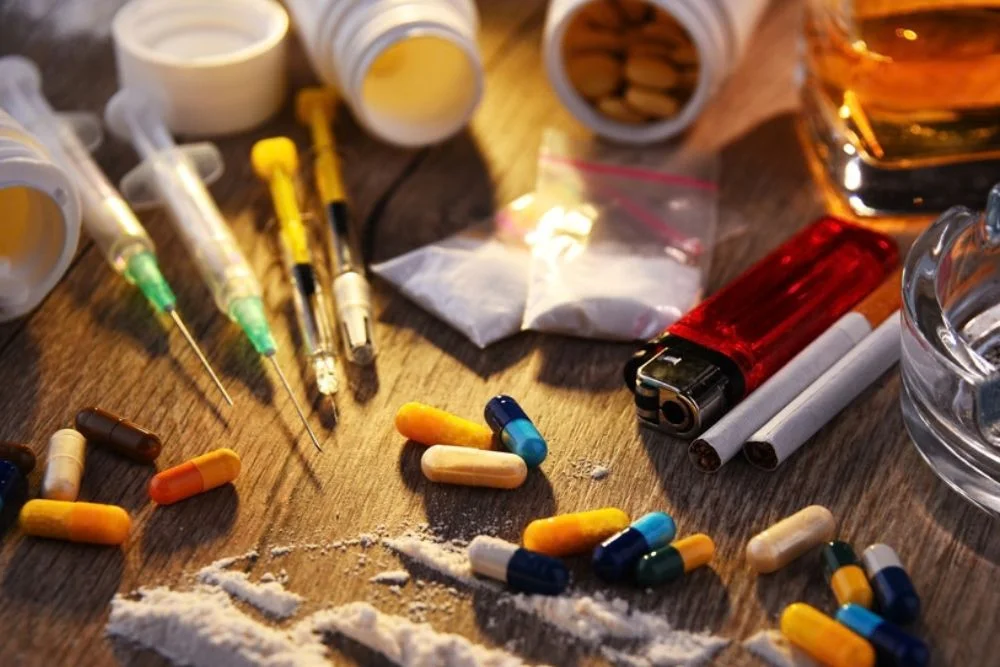
At-home drug rehab sounds appealing on the surface, but it carries real clinical risks that formal treatment is specifically designed to prevent. Withdrawal from substances like alcohol, benzodiazepines, and opioids can trigger seizures, cardiac complications, and severe psychiatric episodes, all of which require immediate medical intervention.
The question of whether is at home drug rehab safe deserves a direct answer: for most people with moderate-to-severe substance use disorders, attempting recovery without clinical supervision significantly increases the risk of relapse, medical emergency, and overdose. Understanding what structured treatment actually provides, and why those elements matter, helps clarify the safest path forward.
Choosing a medically supervised treatment setting means gaining access to withdrawal management, individual therapy, peer support, and a structured daily routine built entirely around your recovery. Research consistently shows that people who engage in higher levels of care, particularly residential or intensive outpatient programs, experience meaningfully better long-term outcomes than those who attempt self-directed recovery at home.
A structured program eliminates the triggers, distractions, and access to substances that make at-home recovery so difficult to sustain. When someone understands the clinical difference between informal and structured care, they are far better equipped to make a decision that protects their health and their future.
Table of Contents
- Is Remote Rehab as Effective as PHP or IOP Programs?
- When Does Someone Need Inpatient Rehab?
- Does Individual Therapy Work With Remote Addiction Treatment?
- What Our Customers Are Saying
- What Level of Care Works Best for Heavy Drug Addicts?
- How Does Resurgence Behavioral Health Help With Drug Addiction?
- Frequently Asked Questions About At-Home Drug Rehab Safety
- Key Takeaways on Is at Home Drug Rehab Safe
- Resources
Is Remote Rehab as Effective as PHP or IOP Programs?
Remote addiction treatment, often delivered through telehealth platforms, has expanded access for people who face geographic or logistical barriers to in-person care. Studies suggest that telehealth-based treatment can produce outcomes comparable to in-person counseling for mild-to-moderate substance use disorders, particularly when combined with medication-assisted treatment. However, the key word is “mild-to-moderate.”
For individuals with severe physical dependence, co-occurring mental health conditions, or a history of relapse, remote rehab simply cannot replicate what a Partial Hospitalization Program (PHP) or Intensive Outpatient Program (IOP) provides in a structured clinical environment.
A PHP typically involves 20 to 30 hours of structured treatment per week, including group therapy, individual counseling, medication management, and peer support, all delivered under direct clinical supervision. An IOP offers a step-down version of that intensity, usually nine to 15 hours weekly, allowing people to maintain some daily responsibilities while still receiving robust treatment.
Both models provide accountability, real-time clinical response, and community, elements that a home-based approach cannot reliably deliver. If you’re weighing these options, it helps to review a comparison of inpatient and outpatient treatment to understand which level matches your clinical needs.
Remote rehab does have legitimate value as a supplement or step-down option after formal treatment ends. It can bridge the gap between discharge and long-term aftercare, keep therapeutic relationships intact, and help people maintain momentum. What it cannot do is replace the immersive structure that PHP and IOP programs offer to people navigating complex or dangerous withdrawal patterns.
When Does Someone Need Inpatient Rehab?
Is at home drug rehab safe? Inpatient rehab becomes clinically necessary when the physical or psychological risks of withdrawal cannot be safely managed in an outpatient setting. Alcohol withdrawal, for example, can cause a life-threatening condition called delirium tremens, which involves seizures, hallucinations, and severe cardiovascular instability, within 24 to 72 hours of the last drink.
Benzodiazepine withdrawal carries similar dangers. The National Institute on Drug Abuse notes that medically supervised detox is the standard of care for these substances precisely because the consequences of unsupervised withdrawal can be fatal. If you want to understand why clinicians are so firm on this point, reading about why home detox is not recommended provides useful clinical context.
Beyond the acute detox phase, inpatient rehab is warranted when someone has a history of multiple relapses, lacks stable and supportive housing, has co-occurring psychiatric conditions such as depression or PTSD, or has experienced a recent overdose. These factors substantially elevate the risk of harm during any unsupervised recovery attempt.
Residential treatment removes a person from high-risk environments and replaces them with 24-hour care, peer community, and therapeutic structure. That combination addresses addiction not just as a physical condition but as a behavioral and psychological one.
Several clear indicators signal that inpatient care is the appropriate level of support. The following situations typically require a residential treatment setting rather than home-based recovery efforts:
- Physical dependence on alcohol, opioids, or benzodiazepines requiring medical detox
- History of seizures or severe withdrawal episodes
- Co-occurring mental health disorders needing simultaneous treatment
- Unstable living environment with active substance use by others
- Multiple prior treatment attempts that ended in relapse
Each of these factors points to a level of complexity that outpatient or remote care cannot adequately address alone. Inpatient treatment is not a failure; it is a clinically appropriate response to a serious medical condition.

Does Individual Therapy Work With Remote Addiction Treatment?
Individual therapy delivered via telehealth has shown real clinical value, particularly Cognitive Behavioral Therapy (CBT), a structured approach that helps people identify and change the thought patterns that drive substance use. Research published through the National Institutes of Health found that CBT delivered via a video platform produced outcomes equivalent to in-person sessions for many individuals with substance use disorders.
That evidence supports the use of remote individual therapy as a meaningful component of a broader treatment plan. The critical distinction is that therapy alone, whether in-person or remote, rarely constitutes a complete treatment program for moderate or severe addiction.
Remote individual therapy works best when it is layered within a comprehensive care structure that also includes peer support, psychiatric oversight, and accountability tools such as drug testing or recovery coaching. Without those surrounding supports, individual sessions can become isolated islands of insight that do not translate into behavioral change in daily life. The therapeutic relationship matters enormously, and video-based therapy can preserve that connection, but context matters too.
Someone receiving therapy from a home environment filled with stress, relational conflict, or access to substances faces a much harder path than someone in a residential setting designed for recovery. You can explore the full levels of care in addiction treatment to see how individual therapy fits within a complete recovery framework.
For people stepping down from inpatient or PHP programs, continuing individual therapy remotely can be an effective and practical strategy. Telehealth eliminates transportation barriers, reduces scheduling conflicts, and keeps therapeutic momentum going through a vulnerable transition. When used as part of a structured aftercare plan rather than a standalone intervention, remote individual therapy becomes a genuinely powerful recovery tool.
Addiction Treatment that
Just Works
Individualized treatment programs delivered in a comfortable, relaxed setting promote healing in your recovery journey.
What Our Customers Are Saying
What Level of Care Works Best for Heavy Drug Addicts?
For people with heavy, long-term substance use, the American Society of Addiction Medicine recommends beginning treatment at the highest appropriate level of care, which is typically medically managed inpatient detox followed by residential rehabilitation. Heavy use creates physical dependence that makes unsupervised withdrawal not just uncomfortable but genuinely dangerous.
Research consistently shows that starting treatment at a higher level of care and then stepping down methodically produces better long-term sobriety outcomes than beginning with outpatient or remote options. The dangers of attempting to quit alone are well-documented, and a thorough overview of alcohol detox risks at home illustrates exactly why professional oversight matters so much.
After completing detox, most people with severe substance use disorders benefit from 30 to 90 days of residential treatment, which provides continuous therapeutic engagement during the window when relapse risk is highest. Following residential care, a transition to PHP or IOP maintains structure while gradually reintroducing the person to daily responsibilities.
This step-down model mirrors how recovery actually works: as stability increases, the intensity of clinical support decreases at a pace calibrated to the individual’s progress. Skipping steps or moving too quickly through levels of care is one of the most common contributors to early relapse.
Peer support is another underrated component of high-intensity treatment for heavy substance use. Group therapy and community connection, built naturally into residential programs, combat the isolation that often fuels continued use. Structured peer environments normalize the recovery experience and create accountability that no app or home-based program can replicate at the same depth.
How Does Resurgence Behavioral Health Help With Drug Addiction?
Resurgence Behavioral Health, located in Jurupa Valley, California, offers a full continuum of addiction care, from medically supervised detox through residential treatment, outpatient programs, and structured aftercare. The residential program is designed to address both the physical and psychological dimensions of addiction simultaneously, integrating evidence-based therapies including CBT, dialectical behavior therapy (DBT), and trauma-informed care.
For people managing co-occurring mental health conditions alongside addiction, the dual diagnosis treatment model ensures that both concerns are treated together rather than in isolation, which significantly improves outcomes. The four reasons clinicians consistently advise against unsupervised recovery are outlined clearly in this resource on why you should never detox alone.
The residential environment at Resurgence goes beyond clinical programming to address quality of life during recovery. Patients have access to an on-site gym with free weights and workout equipment, weekly massages from an on-site masseuse, beach outings to Orange County beaches, hikes throughout Southern California, and weekend activities including bowling, movies, and mini golf.
These amenities are not extras but are clinically intentional, promoting physical health, stress reduction, and the development of sober routines that make long-term recovery more sustainable. Family visits are available on Sundays with prior approval, helping people maintain the support networks that matter most during treatment.
Resurgence also operates outpatient treatment facilities in Huntley and Braddock, California, providing step-down care for those transitioning from residential treatment and accessible options for individuals whose clinical needs align with outpatient intensity.
Every patient receives an individualized treatment plan built around their specific history, medical needs, and recovery goals. That personalized approach, grounded in clinical expertise and delivered in a calm and supportive setting, reflects the Resurgence commitment to care that genuinely meets people where they are.
Frequently Asked Questions About At-Home Drug Rehab Safety
Here are some common questions people ask about recovery options, home-based treatment, and what professional care actually involves:
-
Can someone safely withdraw from alcohol without medical supervision?
Alcohol withdrawal can trigger seizures and a dangerous condition called delirium tremens, which can be fatal without prompt medical treatment. For anyone with significant alcohol dependence, medically supervised detox is the only clinically safe option.
-
What is the difference between PHP and IOP in addiction treatment?
A Partial Hospitalization Program (PHP) typically involves 20 to 30 hours of structured treatment per week, while an Intensive Outpatient Program (IOP) provides nine to 15 hours weekly. Both offer clinical programming and peer support but differ in intensity and time commitment.
-
How effective is telehealth therapy for substance use disorders?
Research suggests telehealth-delivered therapy, especially Cognitive Behavioral Therapy, can produce outcomes comparable to in-person sessions for mild-to-moderate cases. It works best as part of a broader treatment plan rather than as a standalone intervention for severe addiction.
-
What are the biggest risks of attempting to quit drugs without professional support?
The most serious physical risks include life-threatening withdrawal symptoms, overdose after a period of abstinence due to lowered tolerance, and unmanaged psychiatric crises. Without clinical oversight, relapse rates are substantially higher, and complications can go unaddressed until they become emergencies.
-
How long does residential addiction treatment typically last?
Most residential programs run between 30 and 90 days, depending on the individual’s history, severity of use, and progress during treatment. Longer stays are associated with better long-term recovery outcomes, particularly for people with severe or long-standing substance use disorders.
-
What is dual diagnosis treatment and who needs it?
Dual diagnosis treatment addresses both a substance use disorder and a co-occurring mental health condition, such as depression, anxiety, or PTSD, at the same time. It is recommended for anyone whose mental health and substance use are intertwined, because treating only one condition without the other significantly increases relapse risk.
Key Takeaways on Is At Home Drug Rehab Safe
- Unsupervised withdrawal from alcohol, opioids, or benzodiazepines carries serious medical risks that require clinical management
- PHP and IOP programs provide structured intensity, peer support, and accountability that remote rehab cannot replicate for severe cases
- Telehealth individual therapy offers real value as part of a broader treatment plan, particularly during step-down and aftercare phases
- Heavy substance use typically requires beginning at the highest appropriate level of care before stepping down methodically
- A full continuum of treatment, from detox through residential care, outpatient programs, and aftercare, produces the most durable recovery outcomes
Is at home drug rehab safe? The evidence is consistent: structured, professionally supervised addiction treatment outperforms self-directed recovery for anyone with moderate-to-severe substance use disorder. The level of care must match the clinical complexity of the individual’s situation.
If you or someone you care about is weighing recovery options and wondering whether at-home drug rehab is the right path, speaking with a clinical professional is the most important first step you can take. Contact Resurgence Behavioral Health today to speak with an admissions specialist who can help you understand which level of care is clinically appropriate for your situation.
Calling 855-458-0050 connects you directly with a compassionate team member who can answer your questions, verify your insurance, and help you take the next step toward lasting recovery. Real, evidence-based help is a single conversation away.
Resources
- SAMHSA – Find Help & Support
- NIH – Treatment | National Institute on Drug Abuse
- Cleveland Clinic – Get Substance Use Disorder Treatment
