Can You Overdose From Combining Klonopin and Alcohol?

Why Is Mixing Klonopin and Alcohol So Dangerous?
When you think about the dangers of combining Klonopin and alcohol, several issues stand out, and each one makes the risk of overdose higher:
- Double-whammy on your central nervous system: Klonopin and alcohol both work as central nervous system depressants. On their own, each substance slows down brain activity, lowers inhibitions, and creates a calming or sedative effect. But when you take them together, the effect isn’t just twice as strong—it can be exponentially more dangerous. That’s why even a small glass of wine while on Klonopin can feel overwhelming, making you dizzy, drowsy, and unable to think clearly.
- Increased risk of overdose and serious outcomes: Emergency room data shows that people who combine benzodiazepines like Klonopin with alcohol are far more likely to require hospitalization or face life-threatening outcomes compared to those who only take one substance. The body can only handle so much CNS depression before vital functions like breathing and circulation slow to dangerous levels. What feels like “just relaxing” at first can quickly spiral into an overdose emergency.
- Impaired awareness and coordination: This combination doesn’t just affect your health internally—it also affects your ability to function. Mixing Klonopin and alcohol often leads to extreme drowsiness, memory gaps, poor coordination, and slow reflexes. These impairments significantly increase the likelihood of accidents, injuries, or dangerous behaviors. Someone may not realize how impaired they are, making choices—like driving or taking more medication—that can compound the danger.
Put simply, what seems like “taking the edge off” with a drink while on Klonopin can turn into a very real overdose risk without warning.
What Are the Signs of a Klonopin and Alcohol Overdose?
Knowing the warning signs can save a life. Overdose doesn’t always look dramatic at first, and people sometimes mistake it for someone just being “too tired” or “too drunk.” But if you look closer, you may notice symptoms that are much more serious:
- Extreme drowsiness or difficulty waking: Someone may appear to be asleep but won’t respond when you try to wake them.
- Confusion, slurred speech, or memory blackouts: The person may not make sense when speaking, forget where they are, or repeat themselves without realizing it.
- Pale, clammy skin or bluish lips/fingertips: These are signs of oxygen deprivation, showing that the body isn’t getting enough air.
- Shallow or slowed breathing and heartbeat: Breaths may become irregular, shallow, or spaced far apart. This is one of the most life-threatening signs.
- Unresponsiveness or coma: In severe cases, the person may slip into unconsciousness and cannot be awakened.
If you ever notice these symptoms in yourself or someone else, don’t wait. Call 911 immediately. An overdose involving Klonopin and alcohol is a medical emergency that requires professional intervention. Acting quickly can make the difference between recovery and tragedy. For more information about preventing overdoses, check out this helpful guide on drug overdose prevention.
How Much Alcohol Does It Take to Trigger an Overdose When Taking Klonopin?
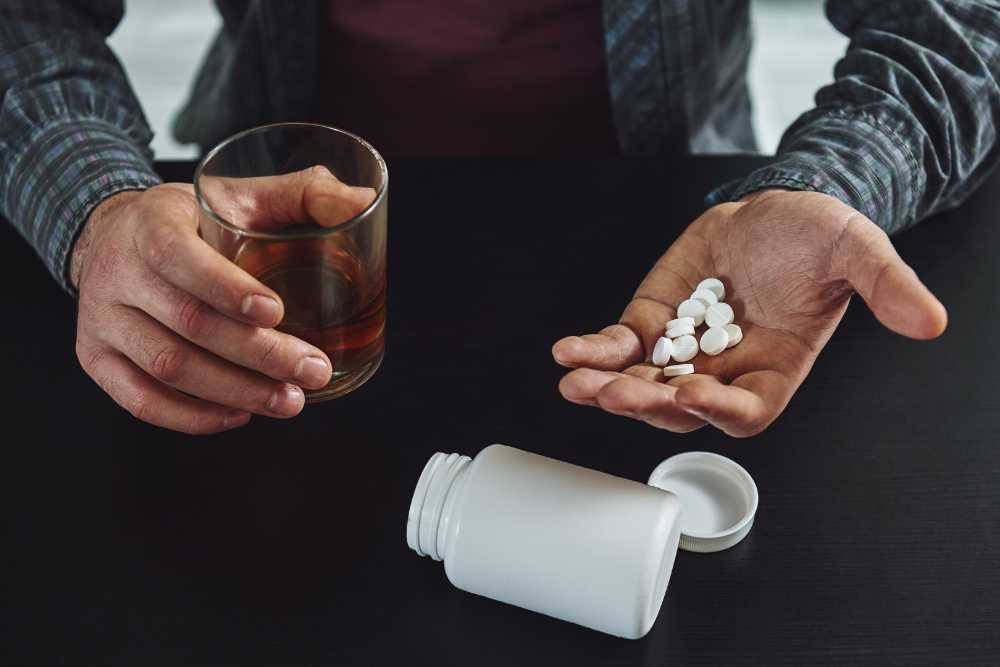
One of the biggest misconceptions about Klonopin and alcohol is the idea that you can “just have one drink” on Klonopin and be fine. The truth? There is no safe amount of alcohol to mix with Klonopin.
Klonopin has a long half-life—meaning it stays active in your system for 18–50 hours after you take it. Even when you don’t feel the drug working, it’s still circulating in your body. That means alcohol can interact with Klonopin long after your last dose. For some people, even a single beer or glass of wine can significantly increase sedation, slow down breathing, and push the body into overdose territory.
Another factor is unpredictability. The effects vary from person to person depending on body weight, metabolism, dosage, tolerance, and other health conditions. What feels “okay” for one person may be life-threatening for another. And if you’ve been prescribed higher doses of Klonopin—or if you’ve been taking it for a long time—the risk is even higher because your body already has a baseline of sedation before alcohol is added.
This is why experts consistently say: if you’re taking Klonopin, avoid alcohol completely. It’s not worth the gamble. For context, read more on the easiest drugs to overdose on.
What Our Customers are Saying
Why Are Some People More at Risk When Mixing Klonopin and Alcohol?
While anyone can overdose from combining these substances, some groups are at especially high risk:
- Older adults: As you age, your body processes medications more slowly. This means Klonopin stays in your system longer, and alcohol’s effects hit harder. Even a small amount of either substance can overwhelm your system.
- People with underlying health issues: If you have respiratory conditions like asthma or COPD, or liver disease that affects how your body metabolizes drugs, your risk of overdose is higher. The combination of Klonopin and alcohol can put extreme stress on already vulnerable systems.
- Those with a history of substance misuse: If you already drink heavily or use other sedatives like opioids, mixing in Klonopin can be a tipping point. Poly-substance use increases the chance of a fatal overdose significantly.
- Individuals on high doses of Klonopin: The higher your prescribed dose, the more sedation is already in your body. Even one drink on top of a high baseline dose can trigger overdose symptoms.
If you or someone you know falls into one of these categories, the danger of mixing Klonopin and alcohol is even more urgent. To learn more about treatment options, check out our guide on prescription drug addiction treatment in Riverside.

Key Takeaways on Klonopin and Alcohol
- Mixing Klonopin and alcohol is dangerous—there is no “safe” amount.
- Both substances depress the central nervous system, which can lead to overdose.
- Warning signs include slowed breathing, extreme sedation, confusion, and unresponsiveness.
- Klonopin’s long half-life means alcohol can interact with it even days after your last dose.
- Older adults, people with health conditions, or those misusing multiple substances face the highest risk.
- If overdose is suspected, call 911 immediately—delaying can be deadly.
If you or someone you love is struggling with Klonopin, alcohol, or both, you don’t have to go through it alone. Resurgence Behavioral Health offers safe, compassionate, and evidence-based treatment programs designed to help you break free from dangerous substance use. Call us today at 855-458-0050. Your recovery can start right now, and our team is here to support you every step of the way.
Resources
- American Addiction Centers – Dangers of Mixing Alcohol with Klonopin (Clonazepam)
- CDC/MMWR – Alcohol Involvement in Benzodiazepine-Related Emergency Visits and Deaths
- National Institute on Alcohol Abuse and Alcoholism (NIAAA) – Alcohol-Medication Interactions: Potentially Dangerous Mixes
