How Does Meth Rehab Work in Riverside, California?
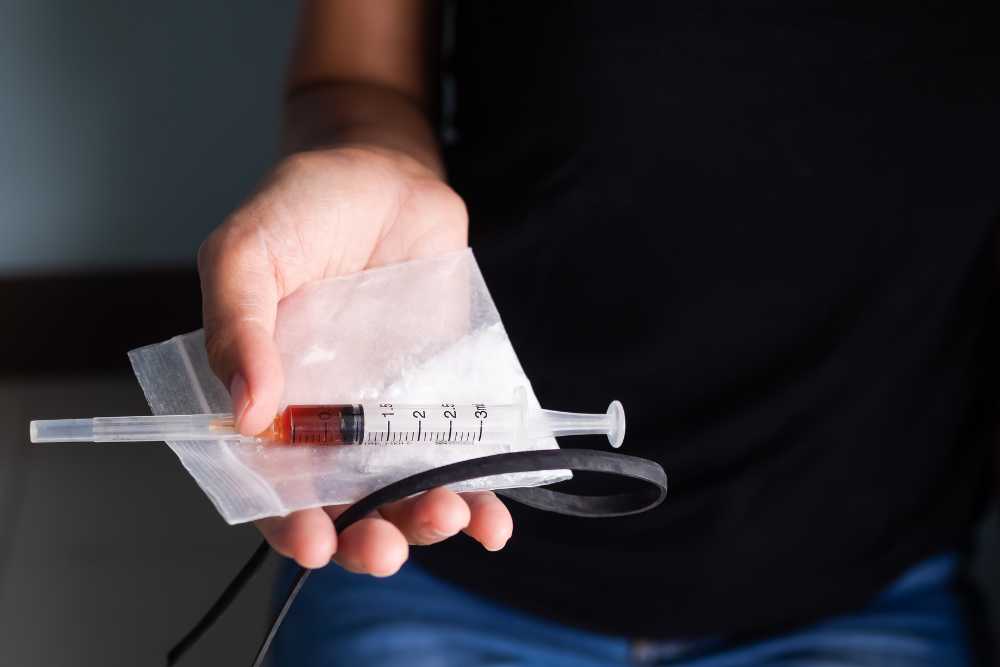
Crystal meth alters brain reward circuits quickly, yet structured treatment can restore balance and safety. Evidence-based care combines medical support, proven therapies, and peer connection to stabilize health and rebuild daily life. Programs adapt to your history, co-occurring mental health needs, and personal goals, offering a path that respects your pace. If you are searching for meth rehab in Riverside, focused care can help you move from chaos to clarity.
Treatment works by pairing medical stabilization with behavioral change, sleep restoration, nutrition, and routine. Cognitive and motivational therapies reduce cravings and improve decision-making, while relapse-prevention planning strengthens confidence in real-world settings. For a deeper look at medications that support early recovery, review this resource on medication-assisted treatment benefits. The right plan shortens the most dangerous phase and gives you momentum to keep going.
Table of Contents
- What to Expect During Meth Rehab in Riverside, California
- Meth Detox and Stabilization Process in Riverside
- Behavioral Treatment in Riverside for Meth Addiction
- What Our Customers Are Saying
- Long-Term Recovery Support in Riverside, California
- Frequently Asked Questions About Riverside Meth Rehab Guide
- Key Takeaways on meth rehab Riverside
- Resources
What to Expect During Meth Rehab in Riverside, California
Admission starts with a thorough assessment that maps substance use patterns, physical health, and co-occurring conditions. You get a personalized plan that sequences detox, inpatient therapy, and step-down services. Daily structure includes therapy, rest, meals, and movement to reset a dysregulated body clock. Programs in Jurupa Valley also emphasize sleep, hydration, and nutrition to ease fatigue.
Here is a quick look at the typical day flow you can expect:
- Morning vitals and medication review
- Skills-based group therapy
- Individual counseling and case planning
- Exercise or mindfulness practice
- Evening recovery meetings or reflection
Research suggests that structured days reduce the risk of early relapse by improving routine and accountability. If you prefer added medical support, explore local Riverside MAT options to understand how medications fit with therapy. Choosing meth rehab Riverside in a calm, supervised setting helps you stabilize faster. The result is a safer start, fewer distractions, and more energy for change.
Meth Detox and Stabilization Process in Riverside
Detox focuses on comfort, safety, and monitoring as your body clears meth. Initial symptoms often include sleep disruption, low mood, and strong cravings. Most people feel the crash within the first 24 to 48 hours. Cravings can surge after sleep returns, so plans anticipate that window.
Clinicians monitor vital signs, hydration, and nutrition to prevent complications. You may receive sleep aids, anti-nausea medicine, or antidepressants when appropriate. Studies show most acute symptoms ease within the first week, but mood lags longer. A steady environment limits triggers and keeps you engaged.
Planning your next step during detox reduces the risk of leaving early. Many patients transition directly to inpatient therapy for continuity of care. If you want step-by-step guidance for this phase, see this find a meth detox program in California overview. Moving directly into therapy turns short-term stabilization into lasting progress.

Behavioral Treatment in Riverside for Meth Addiction
Cognitive Behavioral Therapy, a skills-based approach, helps you change unhelpful thoughts and actions. Motivational Interviewing strengthens your reasons to quit without confrontation. Contingency Management, a rewards-based method, reinforces negative drug tests with small incentives. Together, these therapies teach craving management, high-risk planning, and relapse interruption.
Below are common therapy components that promote durable recovery skills:
- Cognitive restructuring and thought tracking
- Trigger mapping and coping practice
- Motivational enhancement check-ins
- Family sessions and boundary work
- Relapse-prevention drills and scripts
Recent research shows contingency management can double short-term abstinence rates when used consistently. Group formats build peer support, while individual sessions address trauma, depression, or anxiety. For mindset barriers that slow progress, this concise guide on denial and addiction explains practical ways to move forward. When therapy aligns with your goals, change starts to feel like rewiring a tangled circuit.
Addiction Treatment that
Just Works
Individualized treatment programs delivered in a comfortable, relaxed setting promote healing in your recovery journey.
What Our Customers Are Saying
Long-Term Recovery Support in Riverside, California
Continuing care keeps progress steady after residential treatment ends. Outpatient therapy, recovery meetings, and alumni check-ins reinforce habits built in rehab. Data indicates that people who engage in aftercare have fewer readmissions. Support is strongest when it includes family education and relapse-prevention refreshers.
Planning includes sober housing options, employment or school coordination, and primary care follow-up. Many programs offer fitness access, community hikes, and optional faith services to restore routine. If you are comparing living settings, review this guide to residential drug treatment in California to match intensity with need. Choosing a meth rehab Riverside program that offers aftercare improves stability in the first critical months.
Telehealth check-ins and medication reviews can help maintain momentum. Crisis plans are written, shared, and practiced so you are not improvising. Studies show that planned follow-ups increase attendance and reduce sudden drop-offs. A steady plan lets you focus on life, not logistics.
Frequently Asked Questions About Riverside Meth Rehab Guide
Here are clear answers to common questions people ask about entering and succeeding in treatment:
-
How long does residential treatment usually last?
Many stays range from 30 to 90 days, depending on needs. Longer treatment is associated with better outcomes for stimulant disorders.
-
What therapies work best for meth addiction?
Evidence supports Cognitive Behavioral Therapy, Motivational Interviewing, and Contingency Management. These approaches build skills, motivation, and reinforcement for sobriety.
-
Are there medications that help with cravings?
No single FDA-approved medication exists specifically for meth use disorder. Some programs use off-label options to target sleep, mood, and anxiety.
-
What should I bring to residential rehab?
Bring comfortable clothing, approved toiletries, and current prescriptions. Many centers allow Instacart orders for essentials you forgot.
-
How do programs handle co-occurring mental health issues?
Integrated care treats both conditions together with coordinated plans. This approach reduces relapse risk and improves therapy engagement.
-
What does a good aftercare plan include?
It often includes outpatient therapy, peer support, and relapse drills. Adding sober housing and employment support further increases stability.
Key Takeaways on Meth Rehab in Riverside
- Assessment-driven plans align detox, therapy, and aftercare
- Structured days reduce triggers and build routine
- Detox eases symptoms while planning next steps
- CBT, MI, and CM form a proven therapy core
- Aftercare and follow-ups strengthen long-term stability
Recovery from meth use disorder is achievable with steady, evidence-based care. The right plan supports safety, skills, and momentum through each step.
If you are ready to take action, reach out to Resurgence Behavioral Health to discuss options for meth rehab in Riverside that match your needs. A confidential call to 855-458-0050 can help you map next steps, plan your start date, and prepare for success. Supportive treatment and practical tools can help you move forward with confidence.
