How Long Does Fentanyl Stay in Your System?
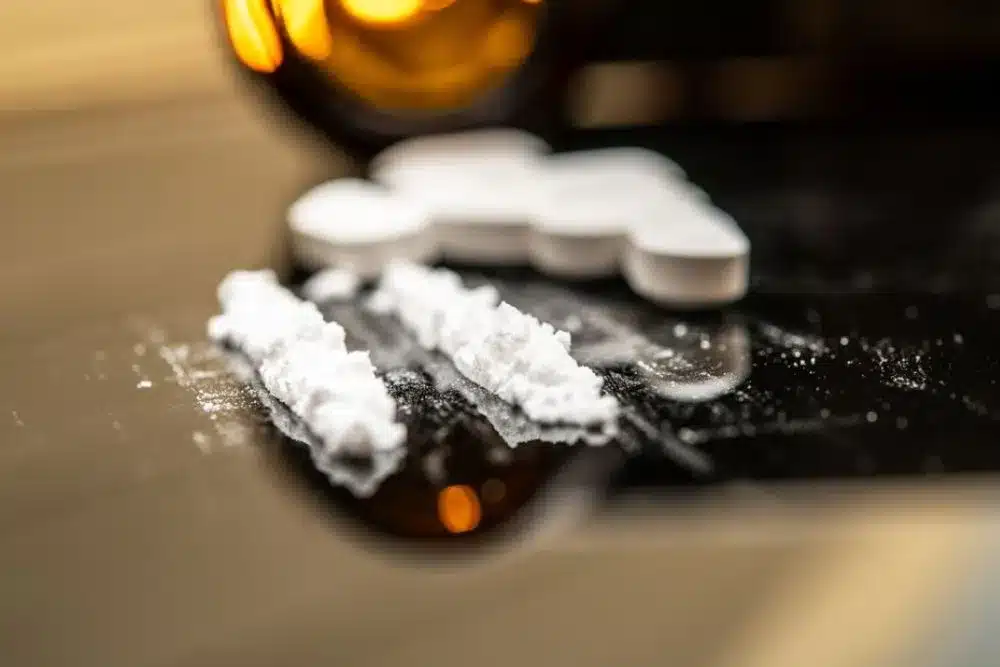
Fentanyl is a synthetic opioid roughly 100 times more potent than morphine, and understanding how long does Fentanyl stay in your system can be critical for safety, medical care, and informed treatment decisions. After a single dose, fentanyl typically clears the bloodstream within hours, but its metabolites can linger in urine for up to 72 hours or longer.
For people who use fentanyl regularly, the drug’s fat-soluble nature allows it to accumulate in fatty tissue, which significantly extends the detection window well beyond what most people expect.
Knowing fentanyl’s clearance timeline is not just about passing a drug test. It directly affects withdrawal management, overdose risk during relapse, and the planning of medical detox. Research confirms that fentanyl’s half-life, the time it takes the body to eliminate half a dose, ranges from 2 to 27 hours depending on formulation and individual biology.
That wide range means two people with similar exposure histories can have very different clearance timelines. If you or someone you care about is struggling with fentanyl use, understanding these timelines is a meaningful first step toward getting appropriate, life-saving support.
Table of Contents
- How Does the Body Process Fentanyl?
- How Long Is Fentanyl Detectable in Urine, Blood, and Hair?
- What Factors Affect Fentanyl’s Detection Window?
- What Our Customers Are Saying
- When Should You Consider Treatment for Fentanyl Use?
- Frequently Asked Questions About Fentanyl Detection and Clearance
- Key Takeaways on how long does fentanyl stay in your system
- Resources
How Does the Body Process Fentanyl?
Fentanyl enters the body through several routes, including injection, transdermal patches, lozenges, and illicit pills, and each route affects how quickly the drug reaches the bloodstream. Once absorbed, fentanyl binds rapidly to opioid receptors in the brain and central nervous system, producing intense pain relief and euphoria.
The liver then breaks fentanyl down primarily into norfentanyl, its main metabolite, which is eventually filtered by the kidneys and excreted in urine. This metabolic pathway is efficient under normal conditions, but several biological factors can slow or speed the process considerably.
The liver enzyme CYP3A4 is responsible for most of fentanyl’s metabolism, meaning any substance that inhibits or activates this enzyme can alter how long fentanyl remains active in your body. Clinical studies show that fentanyl’s distribution half-life is quite short, often around 1 to 2 hours, but its terminal elimination half-life can stretch to 27 hours in long-term users.
That difference matters because it explains why someone may feel acute effects fade quickly while the drug continues circulating at lower, still-detectable levels. Understanding this pharmacokinetic profile helps clinicians design safer detox protocols and avoid dangerous withdrawal complications. If you want to understand more about what happens as fentanyl leaves the body, this fentanyl withdrawal symptom timeline offers a detailed clinical breakdown.
Fentanyl is highly lipophilic, meaning it dissolves readily in fat. This property allows it to cross the blood-brain barrier quickly but also means it accumulates in fatty tissues with repeated use. Over time, those fat stores release fentanyl back into the bloodstream slowly, which is why chronic users may test positive for the drug days or even weeks after their last dose. This redistribution effect is a key reason why fentanyl dependence develops so rapidly and why medical supervision during detox is strongly recommended.
How Long Is Fentanyl Detectable in Urine, Blood, and Hair?
Detection windows for fentanyl vary significantly by test type, and knowing each one can help you prepare for medical evaluations or support a loved one through treatment planning. Standard urine drug screens do not always detect fentanyl directly because it is a synthetic opioid that differs structurally from naturally derived opiates. Many labs now use specific immunoassay panels or confirmatory gas chromatography tests designed to identify fentanyl and its metabolite norfentanyl.
When looking at how long does Fentanyl stay in your system, research suggests that fentanyl or norfentanyl can appear in urine for up to 72 hours after a single dose and potentially up to 4 weeks with chronic, high-dose use. For anyone wondering about at-home screening, reviewing a reliable guide to home drug testing can clarify which panel types are most accurate for synthetic opioids.
Blood tests offer a narrower detection window than urine, typically identifying fentanyl for up to 12 hours after the last dose. This makes blood testing most useful in emergency or forensic settings rather than routine workplace screening. Saliva tests are less commonly used for fentanyl but can detect the drug for up to 1 to 4 days.
Hair follicle testing provides the longest detection window of all, capturing fentanyl metabolites embedded in hair growth for up to 90 days after last use. Each test type serves a different clinical or legal purpose, and understanding which one applies to your situation helps you have more informed conversations with healthcare providers.
What Factors Affect Fentanyl’s Detection Window?
No two people process fentanyl at exactly the same rate, and several personal and pharmacological variables directly influence how long the drug remains detectable. Genetic differences in liver enzyme activity are among the most significant factors. People who are “poor metabolizers” of CYP3A4 substrates clear fentanyl much more slowly than average, while “rapid metabolizers” may eliminate it faster than standard windows suggest.
Body composition also plays a substantial role, since individuals with higher body fat percentages accumulate more fentanyl in adipose tissue, prolonging both effects and detectability. Kidney or liver disease can further reduce clearance speed, making medical monitoring especially important for those with pre-existing health conditions.
Several additional variables shape detection timelines in meaningful ways. The following factors are consistently cited in clinical literature as the most influential:
- Frequency and duration of fentanyl use
- Dose size and formulation (patch, pill, injection)
- Age and overall metabolic rate
- Hydration status and kidney function
- Use of other medications that affect CYP3A4 activity
These factors interact in complex ways, which is why clinicians assess each person individually rather than applying a single clearance estimate universally. Recognizing signs of toxicity early is also essential, particularly because illicitly manufactured fentanyl can vary dramatically in concentration.
Reading about what a fentanyl overdose feels like can help you identify a dangerous situation before it becomes fatal. Early recognition and intervention remain the most reliable ways to prevent a fatal outcome.
Addiction Treatment that
Just Works
Individualized treatment programs delivered in a comfortable, relaxed setting promote healing in your recovery journey.
What Our Customers Are Saying
When Should You Consider Treatment for Fentanyl Use?
Fentanyl dependence can develop faster than with almost any other opioid, sometimes after only a few weeks of regular use. If you or someone close to you is using fentanyl more frequently than intended, experiencing withdrawal symptoms between doses, or feeling unable to stop despite wanting to, those are clear clinical indicators that professional treatment is warranted.
The transition from physical dependence to a full opioid use disorder is not always obvious from the inside, which is why honest self-assessment matters. Waiting for a crisis, such as an overdose, to seek help significantly increases risk and reduces the range of treatment options available.
Medical detox is the safest starting point for most people discontinuing fentanyl. Withdrawal from fentanyl can begin within hours of the last dose and produce symptoms including intense cravings, muscle pain, nausea, anxiety, and insomnia. Without clinical support, those symptoms drive many people back to use before the drug fully clears their system.
Medication-assisted treatment using buprenorphine or methadone has strong evidence behind it, reducing both withdrawal severity and long-term relapse rates. Knowing how to access naloxone, a medication that can reverse an opioid overdose, is also essential during the early recovery period, and this naloxone access guide for California explains how to obtain it quickly.
Inpatient treatment provides round-the-clock medical and emotional support during the most vulnerable phase of fentanyl recovery. At a residential level of care, clinicians can monitor for protracted withdrawal, manage psychiatric symptoms that often co-occur with opioid use disorder, and begin building the coping skills that sustain long-term recovery.
Exploring a comprehensive drug addiction treatment overview can help you understand what a full continuum of care looks like and which level of support best fits your situation. The goal is not just clearance of fentanyl from the body but restoration of a life that feels worth living without it.
Frequently Asked Questions About Fentanyl Detection and Clearance
Here are some common questions people ask about fentanyl’s presence in the body and what it means for health and treatment:
-
How long does fentanyl show up in a urine test?
Fentanyl and its metabolite norfentanyl are typically detectable in urine for up to 72 hours after a single dose. With chronic or high-dose use, detection can extend to several weeks due to the drug’s accumulation in fatty tissue.
-
Does Narcan remove fentanyl from your body?
Naloxone (Narcan) does not remove fentanyl from the body; it works by blocking opioid receptors and reversing the life-threatening effects of an overdose. Because fentanyl is so potent, multiple doses of naloxone are often needed to fully reverse its effects.
-
Can drinking water speed up fentanyl clearance?
Drinking water does not meaningfully accelerate the elimination of fentanyl from your system. Clearance depends primarily on liver metabolism and kidney function, not hydration levels alone.
-
How long does fentanyl stay positive in a hair follicle test?
Hair follicle tests can detect fentanyl metabolites for up to 90 days after the last use, making them the longest-reaching detection method available. This window exists because drug metabolites become embedded in the hair shaft as it grows.
-
What does fentanyl withdrawal feel like, and when does it start?
Fentanyl withdrawal commonly begins within 8 to 24 hours of the last dose and can include intense cravings, muscle aches, sweating, nausea, and severe anxiety. Symptoms typically peak within 36 to 72 hours and can persist for a week or longer without medical support.
-
How long does fentanyl stay in your blood compared to urine?
Fentanyl is detectable in blood for a much shorter period, generally up to 12 hours, compared to urine where it may appear for up to 72 hours or beyond with heavy use. Blood tests are primarily used in emergency settings because they reflect very recent exposure rather than ongoing use patterns.
Key Takeaways on How Long Does Fentanyl Stay in Your System
- Fentanyl clears the bloodstream within hours but can remain detectable in urine for up to 72 hours after a single dose
- Chronic use can extend urine detection to four weeks due to fentanyl’s accumulation in fat tissue
- Blood tests detect fentanyl for up to 12 hours; hair tests can reveal use for up to 90 days
- Individual factors including body composition, liver function, and metabolic rate all influence clearance speed
- Medical detox and evidence-based treatment are the safest paths forward for anyone discontinuing fentanyl use
How long does Fentanyl stay in your system? Fentanyl’s detection timeline is shaped by biology, behavior, and the type of test used, making it one of the more complex opioids to generalize about. What stays consistent is the need for professional guidance when navigating both the physical and emotional dimensions of fentanyl use or withdrawal.
If you or someone you love is ready to take the next step, the team at Resurgence Behavioral Health is here to help with compassionate, clinically grounded care. Our Jurupa Valley facility offers a full continuum of treatment, from medical detox through long-term aftercare, designed to support lasting recovery. Reach out today by calling 855-458-0050 to speak with a treatment specialist who can answer your questions and help you find the right level of care.
Resources
- NIH – Fentanyl | National Institute on Drug Abuse
- DEA – Fentanyl
- SAMHSA – SAMHSA’s National Helpline
