Severe Organ Damage Mixing Lipitor and Alcohol
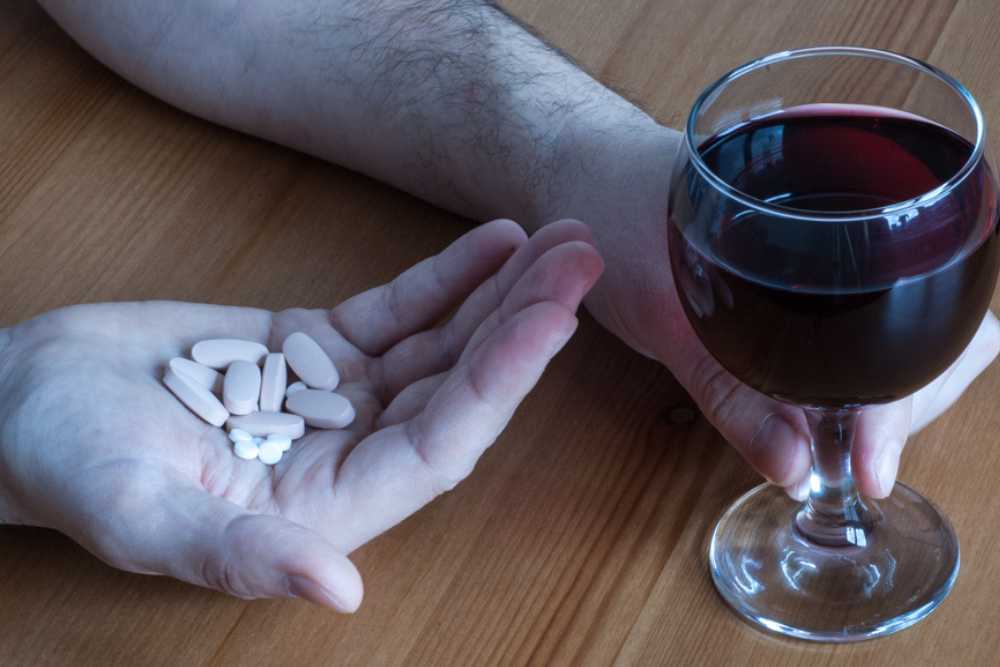
Taking a cholesterol-lowering statin like atorvastatin while consuming alcohol is risky because alcohol and statins both involve the liver, and combining them can increase side effects that many people don’t anticipate. Heavy drinking can push liver enzymes higher, aggravate muscle symptoms, and worsen dizziness or fatigue. If alcohol use has become hard to control, you can explore our alcohol detox in Riverside resource to understand safe first steps.
This information matters because high cholesterol and alcohol misuse often overlap, and decisions made today affect long-term heart, brain, and liver health. Evidence shows that statins reduce cardiovascular events when used properly, but alcohol can counteract progress by raising triglycerides and stressing the liver.
When medication and lifestyle work together, you feel better faster and protect more of your future. Making a clear plan helps you avoid the hidden costs of mixing Lipitor and Alcohol while maximizing the benefits of treatment and recovery.
Table of Contents
- Drug Combination Known for Fatal Liver Damage
- Lipitor and Alcohol Decrease the Size of Brain Arteries
- Counterproductive Cholesterol Levels Combining Alcohol
- What Our Customers Are Saying
- Decrease Cholesterol Levels without Alcohol Disrupting
- Frequently Asked Questions About Statins and Alcohol Risks
- Key Takeaways on Lipitor and Alcohol
- Resources
Drug Combination Known for Fatal Liver Damage
Here’s the bottom line: both alcohol and atorvastatin rely on the liver, and excess alcohol can tip a manageable risk into a medical crisis. Statins rarely cause severe liver injury, but heavy drinking increases the chance of liver inflammation, bleeding, and failure. Clinical reports suggest 1–3% of people on statins see elevated liver enzymes; adding frequent binge drinking raises that likelihood. Your safest move is to limit or pause alcohol until you and your prescriber agree it’s okay.
What helps most is a plan you can follow on hard days. Track drinks honestly, set low weekly limits, and schedule liver enzyme checks if you’re drinking at all. Call your clinician if you notice yellowing skin, dark urine, severe nausea, or right-upper abdominal pain, because those are warning signs. If alcohol use is already disrupting life, consider structured care; you can review local alcohol rehab options in Riverside to see practical pathways to reduce harm and regain stability.
Data reminds us why caution matters: alcohol is a leading cause of preventable liver disease, and combining it with medications metabolized through the liver compounds the stress. When you choose even short alcohol-free stretches, liver tests often normalize, and energy improves. Many people find that two to four weeks of abstinence clarifies whether symptoms are medication-related or alcohol-related. That clarity guides safer, more confident choices going forward.
Lipitor and Alcohol Decrease the Size of Brain Arteries
The phrase suggests a dramatic change, but research does not show that atorvastatin literally shrinks brain arteries. What the evidence does show: heavy drinking can narrow blood vessels temporarily, raise blood pressure, and reduce brain blood flow, which may feel like headaches or lightheadedness.
Alcohol also dehydrates, further reducing cerebral perfusion and worsening dizziness. Meanwhile, atorvastatin itself is not known to constrict brain arteries, though it can cause muscle symptoms or fatigue in some people.
When you want to protect your brain, steady habits matter more than occasional exceptions. Avoid binge drinking, hydrate before and after any drink, and do not skip your statin dose without medical advice. Imaging research links chronic heavy drinking with smaller brain volume compared to low intake, underscoring the value of cutting back. If alcohol use feels out of control, consider stepping into alcohol addiction treatment to reduce risk and restore cognitive health.
Recent studies also highlight the brain’s resilience after people reduce or stop drinking, with improvements in attention and sleep emerging in weeks. Statins continue to lower cardiovascular risk in the background, supporting long-term brain health by protecting blood vessels. Put simply, less alcohol plus consistent medication equals steadier thinking and safer circulation. That combination helps you feel more alert, more present, and more you.
Counterproductive Cholesterol Levels Combining Alcohol
Alcohol can quickly undo the progress you make on a statin by spiking triglycerides and nudging LDL in the wrong direction. Even one night of heavy drinking can push triglycerides sharply higher, especially in people with metabolic syndrome or diabetes. Clinicians often see triglycerides soar above 500 mg/dL in susceptible individuals, which also raises pancreatitis risk. In contrast, a few alcohol-free weeks often lower triglycerides and improve HDL function.
To keep numbers moving in the right direction, set specific, repeatable steps. Eat fiber-rich meals, prioritize lean proteins, and cap saturated fats while you minimize drinking. Time your statin dose consistently, usually in the evening for atorvastatin, to keep blood levels steady. For community support, you might explore 12-step support addiction treatment options that help many people reduce drinking and sustain heart-healthy habits.
Think of it like trying to lower a bathtub’s water level while the faucet is wide open: alcohol is the faucet, and the statin is the drain. Closing the faucet, even partway, lets your medication do its job. People commonly notice better morning energy, fewer sugar cravings, and improved workout tolerance as triglycerides fall. Those changes make it easier to stay consistent day after day.
Addiction Treatment that
Just Works
Individualized treatment programs delivered in a comfortable, relaxed setting promote healing in your recovery journey.
What Our Customers Are Saying
Decrease Cholesterol Levels without Alcohol Disrupting
Your plan should make success feel doable on a busy week. Start by committing to alcohol-free weekdays, then reassess symptoms and sleep after two weeks. Replace drinking cues with short walks, sparkling water, or a protein-rich snack to blunt cravings. Early research suggests a month off alcohol can drop triglycerides by 20–30% in some people.
Next, build heart-healthy momentum you can repeat. Aim for 150 minutes of moderate exercise weekly and add two strength sessions; both lower triglycerides and improve HDL function. Pair that with 25–30 grams of daily fiber from oats, beans, fruits, and vegetables. Here are streamlined swaps that protect your numbers while keeping meals satisfying:
- Fiber-first breakfasts like oats and berries
- Lean protein at each meal and snack
- Olive oil instead of butter or cream
- Sparkling water or tea in place of cocktails
Finally, line up professional support so you’re not doing this alone. If stepping away from triggers is hard at home, review residential addiction treatment program details to see how a structured stay in Jurupa Valley can stabilize routines, meals, and medications. Coordinated care can also monitor liver tests and muscle symptoms while you adjust habits. That structure turns short-term gains into lasting heart protection.
Frequently Asked Questions About Statins and Alcohol Risks
Here are straightforward answers to questions people often ask about drinking while taking a statin:
-
Is any amount of alcohol safe on atorvastatin?
Light drinking may be tolerated, but risks rise with heavier use. Your personal liver health, medications, and heart risk should guide the decision.
-
What signs suggest alcohol is harming my liver on a statin?
Watch for yellowing skin or eyes, dark urine, severe fatigue, or abdominal pain. Call your clinician promptly if any of these appear or worsen.
-
Can occasional binge drinking affect my cholesterol progress?
Yes, binge episodes can spike triglycerides and blood pressure for days. That surge can offset weeks of steady medication and diet work.
-
How long should I pause alcohol to see lab improvements?
Many people see triglyceride changes within two to four weeks. Your clinician may recheck labs after a month to confirm the trend.
-
What if dizziness or muscle aches worsen after I drink?
Stop drinking, hydrate, and contact your prescriber to discuss symptoms. You may need lab tests, dose changes, or a temporary statin hold.
-
How do I choose a program to help me cut back?
Look for accredited care, medical oversight, and dual-diagnosis expertise. Ask about structured routines, aftercare planning, and family involvement.
Key Takeaways on Lipitor and Alcohol
- Alcohol and statins both tax the liver, increasing injury risk
- Heavy drinking worsens dizziness, sleep, and blood pressure control
- Alcohol spikes triglycerides, blunting statin cholesterol benefits
- Short alcohol-free periods improve labs, energy, and clarity
- Structured support turns short-term gains into lasting protection
Protecting your heart, brain, and liver is a daily practice, not a single choice. Small steps—fewer drinks, consistent medication, better sleep—stack up to meaningful health wins. When you align habits with treatment for Lipitor and alcohol abuse, your numbers and your life both move forward.
If you’re weighing next steps, compassionate help is available today. Reach out to Resurgence Behavioral Health for guidance tailored to your goals, medical needs, and home realities. A short call can start a safer, more stable plan that fits your life, even if alcohol has been hard to change. Speak with our team at 855-458-0050 to get started now.
